Define Warehousing The Ultimate Guide to Modern Storage Infrastructure and Supply Chain Efficiency
What is Warehousing? A Multi-Dimensional Definition
In today’s fast-moving business world, a warehouse is no longer just "a place to keep stuff." It’s the heartbeat of the entire supply chain. Whether you’re running a small startup or a global corporation, getting a handle on the different layers of warehousing is the very first step toward sharpening your operations.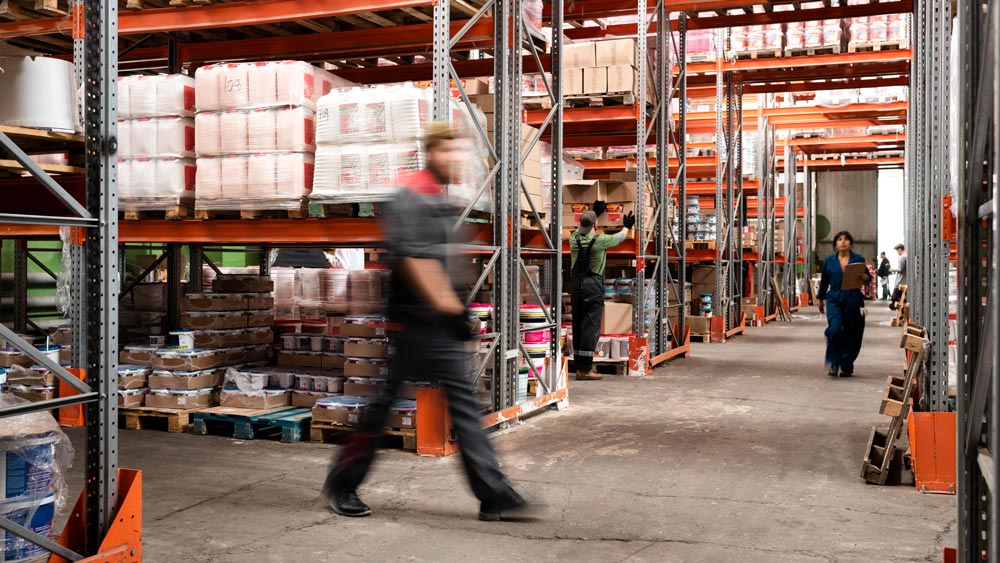
To really wrap your head around warehousing, we need to look at it from three different angles.
1. The Literal Definition
From a physical standpoint, warehousing is simply the act of holding goods in a specific space before they move to the next stage of their journey. It’s more than just a building shell; it’s a secure vault for your assets.
2. The Functional Definition
Looking at it through a logistics lens, warehousing is a collection of moving parts. It covers everything from receiving and sorting to storing, picking, and finally shipping. How smoothly each of these steps runs directly dictates how fast your business can move.
3. The Strategic Definition
Warehousing also acts as a strategic buffer and a value-add hub. By handling tasks like assembly, labeling, or kitting right inside the facility, companies can stay agile in the face of market shifts and keep shipping costs down.
The Evolution of Warehousing: From Four Walls to Intelligent Hubs
In the old days, a warehouse was basically "four walls and a roof." But in the era of Industry 4.0, these spaces have transformed into smart distribution powerhouses.
This shift is driven by a massive upgrade in infrastructure. Modern facilities don’t just rely on manual labor anymore; they use high-precision racking systems and digital management tools to jump from "static storage" to "dynamic flow."
Core Functions of Modern Warehousing
Running an efficient operation boils down to four main pillars:
- Inventory Accuracy: Knowing exactly how much you have and where it sits in real-time.
- Receiving and Put-away: Making sure goods are slotted correctly and quickly as soon as they hit the dock.
- Order Fulfillment: Finding the best picking routes—this is the secret sauce for faster deliveries.
- Logistics Coordination: Ensuring the warehouse and the transport trucks are in perfect sync to avoid long wait times at the loading dock.
Types of Warehouses You Need to Know
Choosing the right setup depends entirely on your specific business needs:
Why Infrastructure Defines Warehousing Efficiency
This is where the real performance gap happens. A lot of people overlook this, but a warehouse’s true potential is often capped by its racking system.
Maximizing Space: High-Density Racking
You pay for warehouse space by the square foot, but you make money by the cubic foot. By using gravity-flow racks or shuttle systems, you can double or even triple your capacity without having to build a larger facility.
Structural Integrity and Safety
The quality of your racks is the lifeline of your operation. High-grade steel and smart engineering prevent accidents, keep your team safe, and ensure you’re not constantly dealing with maintenance headaches.
Industry-Specific Logic
There’s no "one size fits all" when it comes to racking. Whether it’s cantilever racks for long materials or carton flow systems for e-commerce picking, custom designs cut down on walking distance and make the whole workflow more logical.
The Benefits of Effective Warehousing Management
Putting money into top-tier management and hardware delivers clear business wins:
- Faster Delivery Times: A well-organized layout gets products out the door much sooner.
- Happier Customers: You’ll see way fewer shipping errors or damaged goods.
- Leaner Operations: Smart layouts reduce forklift fuel consumption and labor hours.
Trends Shaping the Future of Warehousing
The future is all about going smart and going green:
- Automation and Robotics (AS/RS): Automated systems are taking over for traditional forklifts, allowing for 24/7 operations.
- Sustainability: Eco-friendly materials and energy-saving designs are becoming the new gold standard.
- AI-Driven Design: Using big data to simulate traffic flow, helping engineers design the perfect layout before a single beam is even installed.
Conclusion: Choosing the Right Foundation for Your Warehousing
Warehousing is more than just a storage spot; it’s a complex piece of engineering. From basic storage to advanced AI, every link in the chain matters.
For any business, solid hardware (like professional racking) is the bedrock of success. Without a sturdy and well-thought-out foundation, even the best software won't reach its full potential.
Are you looking to map out a new facility or upgrade your current racks?
I can help you with professional space planning to make sure you’re getting the most out of every single inch of your warehouse.