Distribution Center vs Warehouse
Recently I saw such a problem, the core of the problem is probably: the difference between warehouses and distribution centers. In fact, with the development of the times, the difference between warehouses and distribution centers is getting bigger and bigger, especially our feelings as a storage rack manufacturer is more obvious.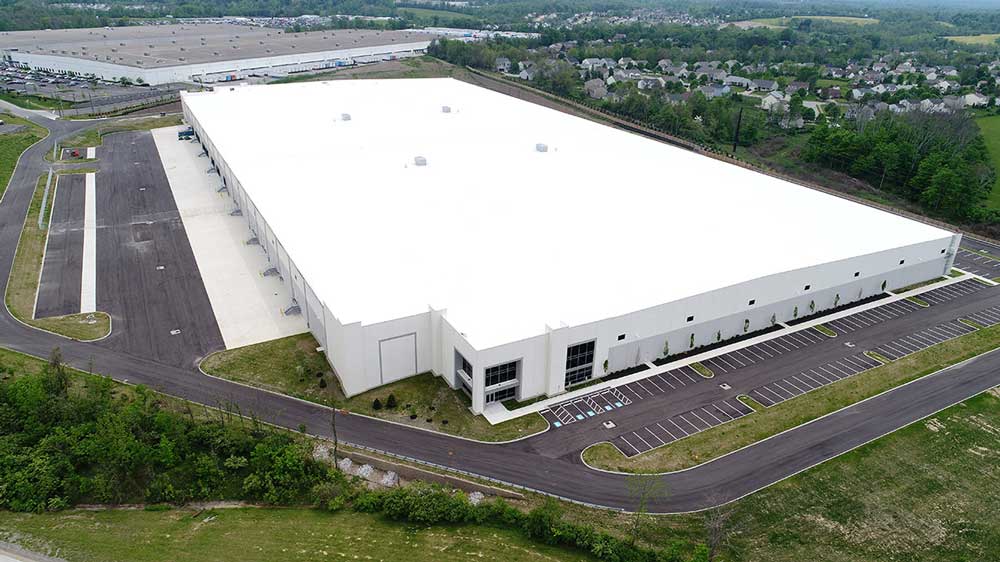
So let us as practitioners tell you the story of the warehouse and distribution center!
What is the definition of Warehouse and Distribution Center?
Let's start with a basic definition of a warehouse and distribution center:
Warehouse: Warehouses are usually places used to store goods, raw materials or finished products. Their main function is to store goods, which may include stocking, storing, and managing inventory. Warehouses primarily focus on storing, organizing, and accessing goods on demand. Warehouses may have some basic picking functions, but their core task is usually to prepare for subsequent production or transportation.
Distribution Center (DC): A distribution center is a more efficient and sophisticated logistics node that focuses on receiving, storing, sorting, and quickly distributing goods to retailers or end customers. It does not just store merchandise, but also involves more processing and sorting work, such as order processing and directed distribution. Distribution centers are usually the bridge in the supply chain between production and the final consumer, with an emphasis on efficient and timely flow of goods.
In short, warehouses are used more for long-term storage, while distribution centers focus on short-term storage and fast order processing and distribution.
Advantages of Warehouses and Distribution Centers
Advantages of Warehouses:
-
Long-term Storage Capacity: Warehouses are typically designed for long-term storage of goods. They can accommodate large quantities of inventory and generally offer lower storage costs. Warehouses are ideal for products that do not require frequent shipments, such as bulk items or seasonal products.
-
Low-Cost Storage: Warehouses primarily provide space, so their operational costs are usually lower compared to distribution centers. As storage and inventory management are their core functions, they often have higher space utilization, making them suitable for goods that do not require frequent shipping.
-
Flexibility: Warehouse storage is more flexible and can accommodate various types of goods. They can store products of different sizes and categories, meeting diverse storage needs.
-
High Security: Since warehouses primarily store goods, their security measures are typically well-developed. For example, warehouses often have advanced fire prevention, theft prevention, and temperature control systems.
Advantages of Distribution Centers:
-
Quick Response to Market Demand: The core advantage of distribution centers lies in their efficient order processing and shipping capabilities. They are designed for fast sorting, packaging, and shipping to ensure products reach consumers or retailers promptly. Distribution centers are effective in reducing lead times for products that require fast turnover, enhancing customer satisfaction.
-
Efficient Inventory Management: Distribution centers not only store goods but also manage and optimize inventory. Modern distribution centers are equipped with advanced inventory management systems (such as WMS), enabling real-time tracking, reducing inventory buildup, and precisely controlling stock levels to avoid shortages or surpluses.
-
Flexible Sorting and Shipping: Distribution centers focus on order processing and sorting. They have efficient sorting systems and automated equipment to quickly and accurately package and ship products according to order requirements. For e-commerce and retail businesses in B2C (business to consumer) and B2B (business to business) models, efficient operations at distribution centers are crucial.
-
Reduced Transportation Costs: Distribution centers are often located in areas with convenient transportation, allowing for better optimization of the shipping network. By consolidating shipments, distribution centers can reduce overall logistics costs. This is especially beneficial when delivering to multiple regions, as it enhances transportation efficiency and lowers per-delivery costs.
-
Omnichannel Support: Modern distribution centers support multi-channel operations, including e-commerce platforms, retailers, and wholesalers. They can handle various types of orders and support sales models like online ordering, in-store pickups, and expedited shipping.
Differences Between Warehouses and Distribution Centers
Functional Differences:
-
Warehouse: The main function of a warehouse is to store goods. They are typically used for long-term storage, ensuring inventory is sufficient while waiting for production, sales, or other uses. The core tasks of a warehouse are storing, organizing, and managing inventory, which may also involve basic inspection and classification of goods, but it does not involve frequent shipments.
-
Distribution Center: A distribution center is not only used for storing goods but also focuses on quickly processing orders and efficiently distributing products to customers or retailers. They are the central hubs of the supply chain, primarily responsible for receiving orders, sorting, packaging, and shipping goods, often involving large volumes of goods and frequent shipping operations.
Storage Time Differences:
-
Warehouse: Warehouses are primarily used for long-term inventory storage, such as goods awaiting sale, production, or seasonal sales. Products in a warehouse typically do not require quick turnover, and the focus is more on storage space and conditions.
-
Distribution Center: The storage time in a distribution center is usually shorter. Products stay in the distribution center for a short time, with the goal of quickly sorting and shipping them to the final consumer or retailer. They focus more on how to process orders efficiently and swiftly.
Operational Model Differences:
-
Warehouse: The operational model of a warehouse is typically static, with infrequent product entry and exit. Its core task is to maintain inventory organization and integrity without frequent complex sorting or order processing.
-
Distribution Center: The operational model of a distribution center is dynamic and high-frequency. Goods constantly move in and out of the center, and order processing and sorting are the core tasks. They emphasize fast turnover of goods, often using automation technologies such as conveyors and sorting robots to improve efficiency.
Cost Differences:
-
Warehouse: The operating costs of a warehouse are typically lower because they primarily focus on storage and do not require high-frequency labor or automation equipment. They concentrate on space utilization and the cost of storing goods.
-
Distribution Center: The operating costs of a distribution center are relatively higher due to the significant amount of sorting, packaging, and fast shipping involved. To ensure efficiency, distribution centers often adopt advanced automation technologies and require more human intervention, leading to higher operational costs.
Scale Differences:
-
Warehouse: Warehouses are usually large in size, but their storage methods are simpler. The layout of a warehouse is typically planned according to the size and type of goods, but may not necessarily include efficient order sorting systems.
-
Distribution Center: Distribution centers are usually large and have a complex layout. To improve sorting efficiency, the layout is highly detailed and may include multiple areas for handling different types of goods. They are also equipped with advanced equipment and technologies, such as automated sorting systems and efficient inventory management systems.
Target Customer Differences:
-
Warehouse: The primary target customers of warehouses are manufacturers, wholesalers, or suppliers who need long-term storage for raw materials, goods, or semi-finished products.
-
Distribution Center: The main customers of distribution centers are retailers, e-commerce platforms, wholesalers, and end consumers, especially e-commerce businesses. Distribution centers directly affect customer experience because they need to deliver products quickly and accurately.
Technology Differences:
-
Warehouse: The technology used in warehouses is typically basic, possibly relying on traditional inventory management systems (WMS) to track stock, without involving high levels of automation or real-time data processing.
-
Distribution Center: Distribution centers often employ more advanced automation technologies, such as Automated Storage and Retrieval Systems (AS/RS), robots, and intelligent sorting systems. Their technology focuses on improving processing speed and accuracy, while also utilizing data analysis for precise management.
How Should a Business Choose?
Business Needs and Goals
-
Long-Term Storage vs. Fast Turnover: If the business needs primarily long-term storage of bulk goods, raw materials, or seasonal products, a warehouse may be more suitable. If the goal is to quickly respond to market demand, shorten delivery times, and provide timely shipping services, a distribution center is a better option.
Product Characteristics
-
Bulk Goods or Heavy Items vs. Fast-Moving Goods: For bulk goods (such as construction materials, raw materials, industrial equipment, etc.), which typically require long-term storage and slow turnover, a warehouse is generally the better choice. For fast-moving consumer goods (such as food, electronics, clothing, etc.) that require frequent handling of small orders and quick shipping, a distribution center is more appropriate.
Supply Chain Complexity
-
Simple Inventory Management vs. Efficient Order Processing: If the business’s supply chain is relatively simple and only requires storage and inventory management, a warehouse can provide the needed storage space and low-cost solution. If the business is more complex, with a diverse range of products, and requires efficient sorting, packaging, and shipping systems, a distribution center offers a more efficient logistics solution.
Cost Considerations
-
Low Cost vs. Efficient Operations: If the business wants to minimize costs, especially when storage costs are sensitive, a warehouse is the better option as it typically has lower operating costs. If the business focuses more on operational efficiency, aiming to improve order processing speed and shipping capability, and is willing to invest more to enhance customer experience and responsiveness, a distribution center may be the more appropriate choice.
Market Demand and Customer Expectations
-
Customer Delivery Speed Requirements: If the business is dealing with markets that require fast delivery (e.g., e-commerce, retail, etc.), and customers have high expectations for delivery speed, a distribution center can help reduce delivery time and provide faster logistics services. If customers are primarily wholesalers or have less stringent delivery time requirements, a warehouse may be sufficient to meet the needs.
Geographical Location and Transportation Network
-
Centralized vs. Decentralized: Distribution centers are typically located near key markets or transportation hubs to quickly distribute products to multiple regions. Therefore, if a business needs to cover a wide regional market, establishing a distribution center in an optimal location will enhance logistics efficiency. A warehouse, on the other hand, can be set up in relatively lower-cost areas, as its location does not have high time-sensitive logistics requirements.
Automation and Technological Support
-
Simple Operations vs. High Automation: If the business does not require complex automation technologies, a warehouse can rely on traditional inventory management and manual operations, saving some investment. If the business needs refined management, order tracking, automated sorting, etc., especially when handling large orders, a distribution center is better equipped to meet these needs. During high-demand seasons or large-scale e-commerce sales, automated systems can greatly improve efficiency.
Cross-Border E-Commerce and Global Logistics
-
If the business is involved in cross-border e-commerce or global shipping, the role of a distribution center becomes even more critical. It can not only process local market orders quickly but also facilitate cross-border logistics through efficient systems, optimizing transportation routes and costs.
Conclusion
This concludes our discussion on warehouses and distribution centers for now. If you have more questions or needs regarding these topics, we welcome you to contact us. Not only can we help solve your problems, but we may also be able to provide high-quality products and services for your warehouse or distribution center.