How Much Does It Cost To Make A Grocery Store
In the retail sector of the real economy, the grocery store occupies a very large share of the market. Most of the goods it sells are designed to satisfy the basic consumer desires of people within a kilometer of the neighborhood. And with the development of e-commerce and consumer habits, a grocery store now sells a wider range of products.
So how much does it cost to open a grocery store? And what do we need to pay attention to? Let's explore this question together next!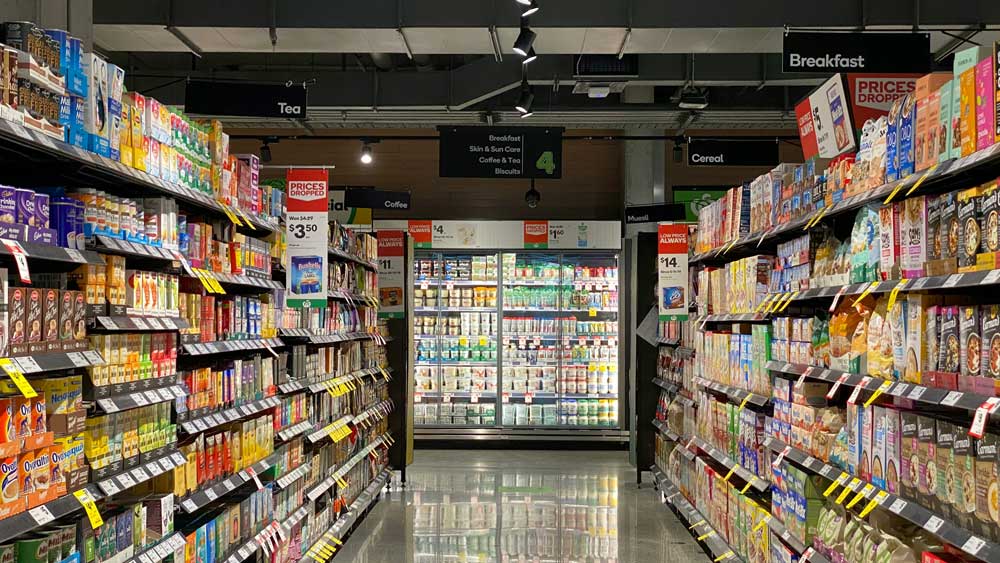
How much does it cost to make a grocery store?
The cost of opening a grocery store can range from a few thousand dollars to over a million dollars, depending on various factors.
However, in general, the approximate price range is:
- Small grocery store (100-500 square feet): $10,000 - $50,000.
- Medium-sized grocery store (500-2,000 square feet): $50,000 - $200,000.
- Large supermarket (over 2,000 square feet): $200,000 and above.

Major Cost Factors
Store Rent
- Location determines price: Rent is higher in city centers and commercial areas, while lower in suburbs or small towns.
- Store size: The larger the space, the higher the rent.
- Deposit and advance rent: Usually, 1-3 months' rent is required as a deposit.
Renovation and Equipment
- Renovation: Includes walls, flooring, lighting, etc. Basic renovations may cost between $5,000 and $50,000.
- Shelving and display racks: Supermarket shelves cost between $100 and $500 per unit, with larger stores requiring more investment.
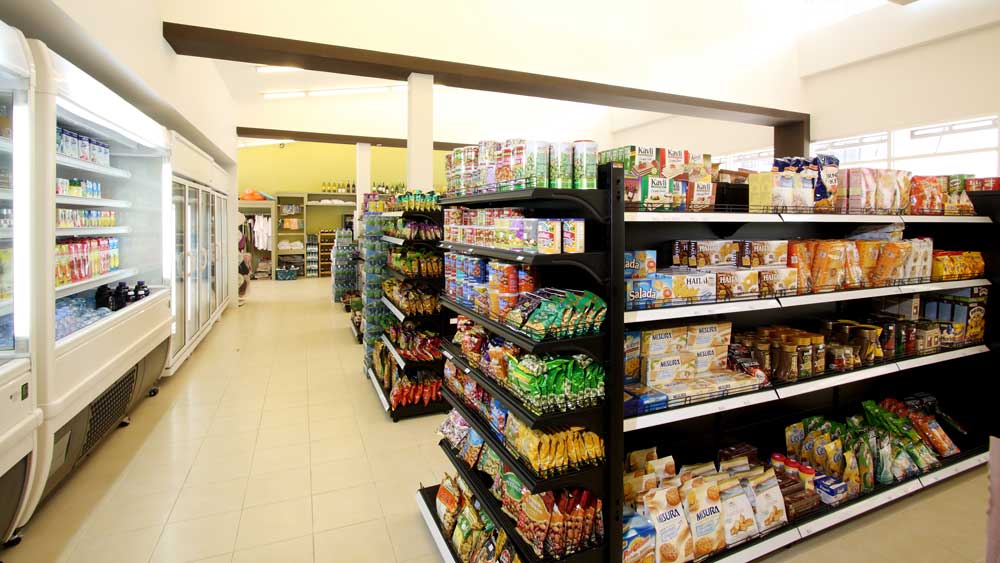
- Cash register system: POS system prices range from $1,000 to $10,000.
- Refrigeration and freezing equipment: Commercial refrigerators and freezers range from $2,000 to $20,000.
Inventory Costs
- Initial stock purchase: Typically between $10,000 and $100,000, depending on the variety and quantity of goods.
- Supplier selection: Wholesale purchasing is cheaper but may require a high minimum order quantity (MOQ).
Employee Salaries
- Hiring employees: Small grocery stores may be family-run, while larger supermarkets require multiple employees.
- Wages: Depending on the region, employee salaries range from $2,000 to $5,000 per person per month.
Business Licenses and Taxes
- Business license: Typically costs between $50 and $500.
- Food sales permit: Ranges from $100 to $1,000, depending on local regulations.
- Insurance: Store insurance costs between $1,000 and $5,000 per year.
Marketing and Advertising
- Grand opening promotions: Flyers, social media ads, with a budget of $500 to $5,000.
- Store signage: Standard signs cost $1,000 to $5,000, while LED electronic displays can exceed $10,000.
Utilities and Daily Expenses
- Utility bills: Ranges from $500 to $5,000 per month, depending on store size.
- Maintenance and supplies: Items such as shopping bags and cleaning supplies cost a few hundred dollars per month.
Ways to Reduce Costs
Choose the Right Store Location to Lower Rent
- Select areas with lower rent: Avoid expensive commercial centers and opt for high-traffic but more affordable residential or community areas.
- Consider shared spaces: Co-rent a store with another business, such as a bakery or coffee shop, to share rental costs.
- Negotiate rent: Discuss with the landlord to secure lower rent or rental incentives, such as a free first-month offer.
Control Renovation and Equipment Costs
- Simple renovations: Avoid excessive remodeling and focus only on essential wall, floor, and lighting improvements.
- Buy second-hand shelves and equipment: Search for used shelves, freezers, and POS systems online or in wholesale markets to save over 50% on costs.
- Choose energy-efficient equipment: While the initial investment may be slightly higher, using LED lighting and high-efficiency refrigeration can significantly reduce electricity bills in the long run.
Reduce Procurement Costs
- Bulk purchasing: Buy in large quantities from wholesalers or major suppliers to get lower prices.
- Partner with local farms or small suppliers: Direct sourcing eliminates middlemen, improving cost efficiency.
- Use consignment models: Have suppliers provide goods and settle payments only after sales, reducing upfront capital investment.
Control Labor Costs
- Operate the store yourself: In the early stages, run the store with family members to minimize hiring expenses.
- Flexible staffing: Use part-time instead of full-time employees to reduce wage costs.
- Improve efficiency: Implement self-checkout systems or streamline workflows to reduce labor needs.
Lower Marketing Expenses
- Leverage social media: Promote the store for free on platforms like Facebook, Instagram, and TikTok instead of spending on ads.
- Word-of-mouth marketing: Provide excellent service to encourage customer recommendations and build a loyal customer base.
- Collaborative promotions: Partner with other businesses to cross-promote, reducing individual advertising costs.
Reduce Daily Expenses
- Save on utilities: Use energy-efficient lighting, adjust refrigeration temperatures, and schedule power usage efficiently to lower electricity bills.
- Minimize waste: Accurately calculate inventory to avoid over-purchasing perishable goods and reduce losses.
- Find cheaper packaging materials: Use reusable shopping bags or offer discounts to customers who bring their own bags.
Apply for Government Grants or Low-Interest Loans
- Look for government support: Some countries or regions offer small business grants or low-interest loans to ease initial financial pressure.
- Join local business associations: Some organizations provide access to discounted procurement channels or financial support.
Strategies to Increase Profitability
Increase Sales Revenue
Optimize Product Selection
- Choose high-margin products, such as imported foods, organic items, and ready-to-eat meals, rather than solely relying on low-margin daily necessities.
- Adjust product offerings based on seasons and holidays—for example, stocking more cold beverages in summer and hot drinks or heating supplies in winter.
Boost Average Transaction Value
- Use bundle sales promotions (e.g., “Buy Two, Get One Free”) to encourage larger purchases.
- Place impulse-buy items like gum, snacks, and drinks near the checkout to drive additional sales.
- Offer membership discounts and loyalty points to incentivize repeat customers to spend more.
Create Additional Revenue Streams
- Launch private-label products (such as homemade deli items or handcrafted snacks), which often have higher profit margins than wholesale goods.
- Provide additional services such as delivery, mobile top-ups, and package collection to attract more customers.
- Rent out shelf space to other brands for in-store product displays, generating rental income.
Control Costs and Improve Profitability
Optimize Procurement Strategies
- Compare multiple suppliers to find the best balance of price and quality.
- Purchase core products in bulk to secure lower prices while avoiding overstocking slow-moving items.
- Implement an inventory management system to minimize losses from expired or damaged goods.
Reduce Operating Expenses
- Use energy-efficient equipment such as LED lighting and energy-saving refrigerators to cut electricity costs.
- Reduce waste by planning inventory carefully to avoid spoilage and expired products.
- Optimize staff scheduling to minimize labor costs during non-peak hours.
Attract More Customers and Increase Retention
Develop Unique Selling Points
- Offer local specialty products or health-focused food options to cater to specific customer demands.
- Provide differentiated services, such as free home delivery or personal shopping assistance, to enhance the customer experience.
Strengthen Marketing and Promotions
- Promote special offers and customer testimonials on social media platforms like Facebook, Instagram, and TikTok to attract new customers.
- Collaborate with nearby businesses, such as a bakery, to create bundle deals that drive traffic to both stores.
- Host promotional events, such as “Special Discount Days” or “Spend & Get Free Gifts,” to increase foot traffic.
Improve Customer Loyalty
- Introduce a loyalty program where points can be redeemed for discounts or gifts, encouraging repeat visits.
- Gather customer feedback and adjust product offerings regularly to meet market demands.
- Create customer groups or communities (e.g., WhatsApp or Facebook groups) to share promotions and keep customers engaged.
Payback Period and Profit Calculation
Payback Period Calculation (Payback Period)
The payback period refers to how long it takes to recover the initial investment. The formula is:
Payback Period=Total Investment Cost÷Monthly Net Profit
Example Calculation:
You open a grocery store with a total investment of $200,000 (including rent, shelving, inventory, renovations, etc.).
- Monthly revenue = $100,000
- Gross profit margin = 30% → Gross profit = $30,000
- Fixed monthly expenses (rent, salaries, utilities) = $20,000
Net profit per month:
Net Profit=Gross Profit−Fixed Costs=30,000−20,000=10,000
Payback period:
200,000÷10,000=20 months
This means you will break even in 20 months, after which all earnings contribute to profit.
Profit Calculation
(1) Gross Profit Calculation
Gross profit is the revenue left after subtracting the cost of goods sold:
Gross Profit=Sales Revenue×Gross Profit Margin
For a grocery store with a monthly revenue of $100,000 and a 30% gross profit margin:
100,000×30%=30,000
(2) Net Profit Calculation
Net profit accounts for all expenses:
Net Profit=Gross Profit−Fixed Costs−Other Expenses
If monthly expenses are:
- Rent = $10,000
- Salaries = $5,000
- Utilities = $2,000
- Other costs (losses, taxes) = $3,000
Net Profit=30,000−(10,000+5,000+2,000+3,000)=10,000
Net Profit Margin:
10,000÷100,000×100%=10%
For every $10 earned, $1 is pure profit.
Digital Operations for Higher Efficiency
Using POS Systems for Better Management
A Point of Sale (POS) system helps with:
- Real-time inventory management → Prevents stockouts and overstocking.
- Sales data analysis → Identifies best-selling products for smarter purchasing.
- Online sales integration → Connects with delivery apps for home orders.
Recommended Features:
- Cloud-based POS → Monitor sales anytime, anywhere.
- Customer loyalty management → Tracks purchase habits for targeted promotions.
- E-receipts → Reduces paper waste and enhances customer convenience.
Leveraging Delivery Services to Reduce Rent Dependency
Why Offer Delivery?
- Breaks geographical limits, reaching more customers beyond foot traffic.
- Creates additional revenue streams, especially for high-margin products (ready-to-eat food, drinks).
- Speeds up inventory turnover, reducing spoilage and losses.
How to Start?
- Partner with delivery platforms (Uber Eats, DoorDash).
- Launch a direct-order system (via a mobile app or WeChat Mini Program) to save platform fees.
- Optimize delivery logistics with third-party services or in-house couriers.
Self-Checkout for Lower Labor Costs
What is Self-Checkout?
Self-checkout allows customers to scan and pay for items themselves, reducing the need for cashiers.
Common Methods:
- Self-checkout kiosks → Ideal for larger stores; customers scan, pay, and print receipts.
- Mobile payment QR codes → Small stores can provide a QR code for easy scanning and payment.
- Smart carts/baskets → Some supermarkets use AI-powered carts that auto-scan items for checkout.
Advantages:
- Reduces labor costs by cutting cashier staffing needs.
- Enhances customer experience with shorter wait times.
- Minimizes cash handling risks and improves transaction security.
Mobile Payments for Faster Transactions
Popular Payment Methods:
- QR Code Payments (WeChat Pay, Alipay, Apple Pay).
- NFC Payments (Google Pay, Samsung Pay).
- Contactless POS Transactions for quick and secure purchases.
Why Promote Mobile Payments?
- Speeds up checkout, reducing long lines.
- Minimizes cash management hassles and theft risks.
- Enables better data tracking, allowing precise sales analysis.
- Encourages impulse purchases, as digital transactions feel less tangible than cash.
By combining smart pricing, digital tools, and operational optimizations, a grocery store can shorten its payback period, maximize profits, and scale efficiently.
Conclusion
However, we don't know what country or region you are in, and we don't know what the potential buyers in your area are like. So, before you open your store, we hope you can make a feasible plan according to your local situation.
Last but not least, if you are looking for a professional shelf manufacturer, I think we might be a good choice for you. We have been serving global display shelving buyers for more than 20 years and have rich experience in designing convenience stores/supermarkets.