How to Arrange Supermarket Shelves?
How to correctly arrange the supermarket shelves? This question is every supermarket owner will then establish a supermarket and will think of the problem.
Because the correct placement is more conducive to the marketing of your goods out, so how should the supermarket shelves be placed? Next, let me and you have a good chat about this topic.
Type of supermarket shelves
Before placing your shelves, we need to have a general understanding of the types of supermarket shelves. When we understand the main types of supermarket shelves and their respective roles, there can be more reasonable arrangements for each place in the supermarket shelves.
Whether it is a large supermarket or a small supermarket, the most common is the following five types of shelves:
The first is usually placed in the middle of the area of the gondola shelving.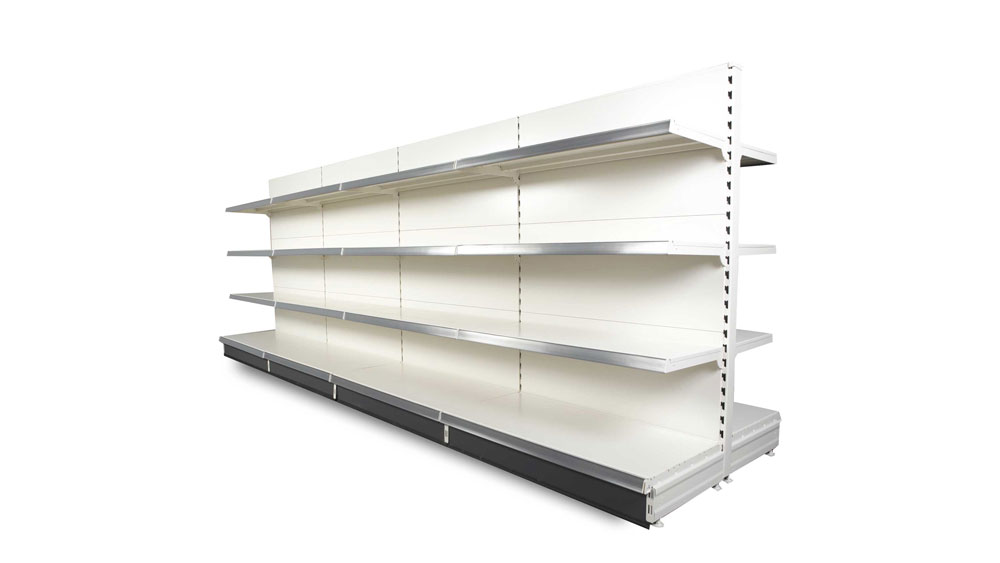
The second type is wall shelving which is usually placed against the wall.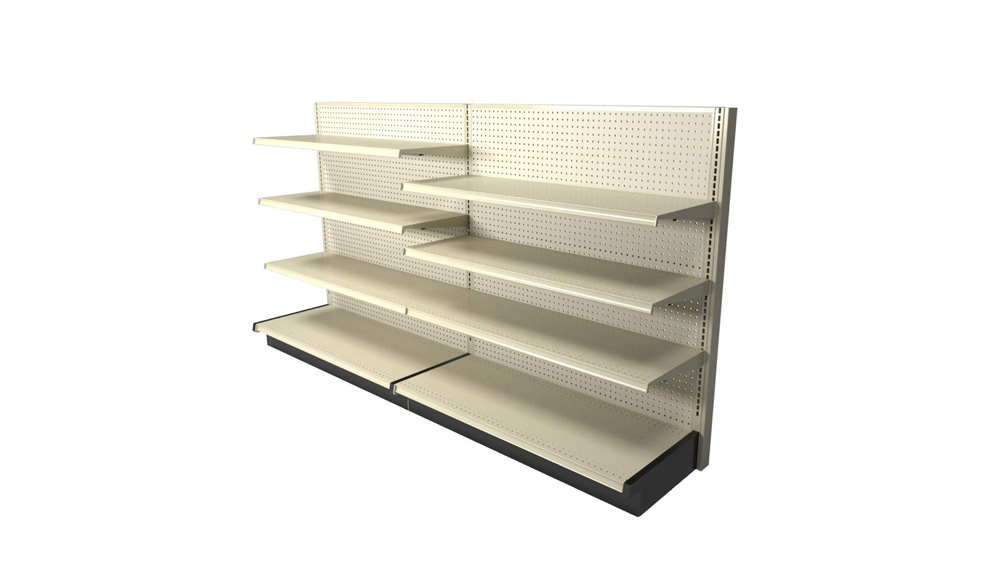
The third type is the end cap, which is placed at the front and back of the gondola shelves.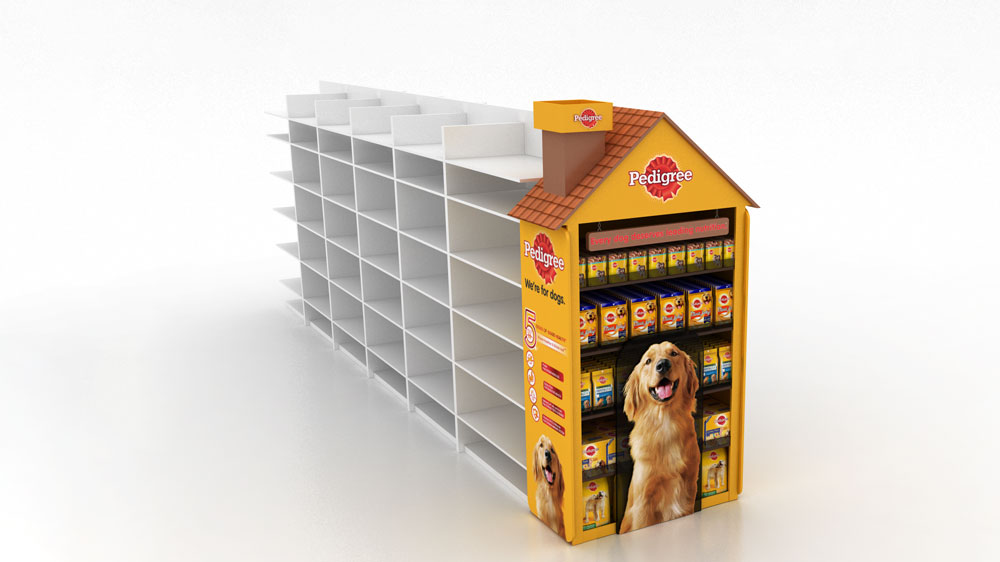
The fourth is the checkout shelving, a small shelf placed near the cash register.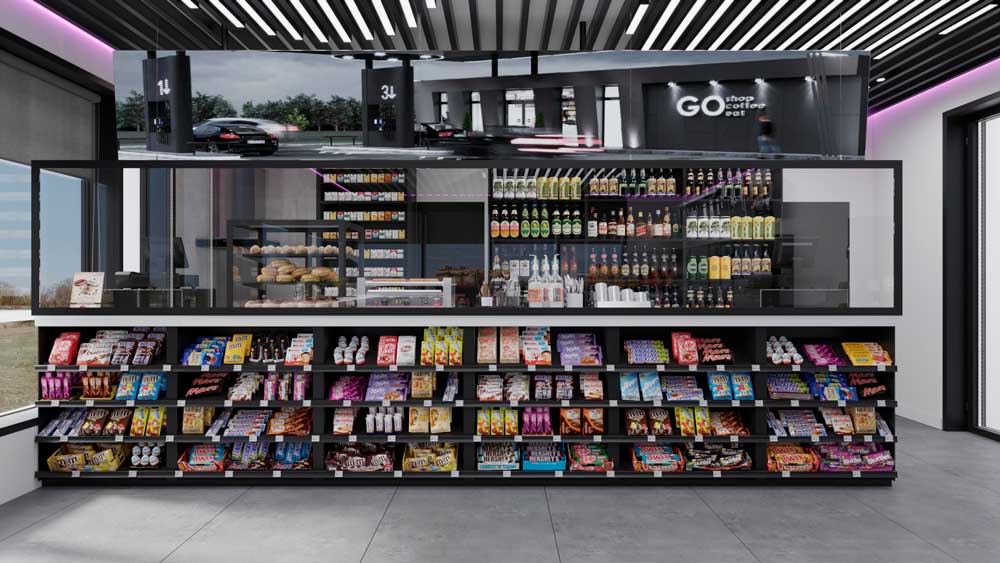
The fifth type is special shelves that are customized for special holidays and products.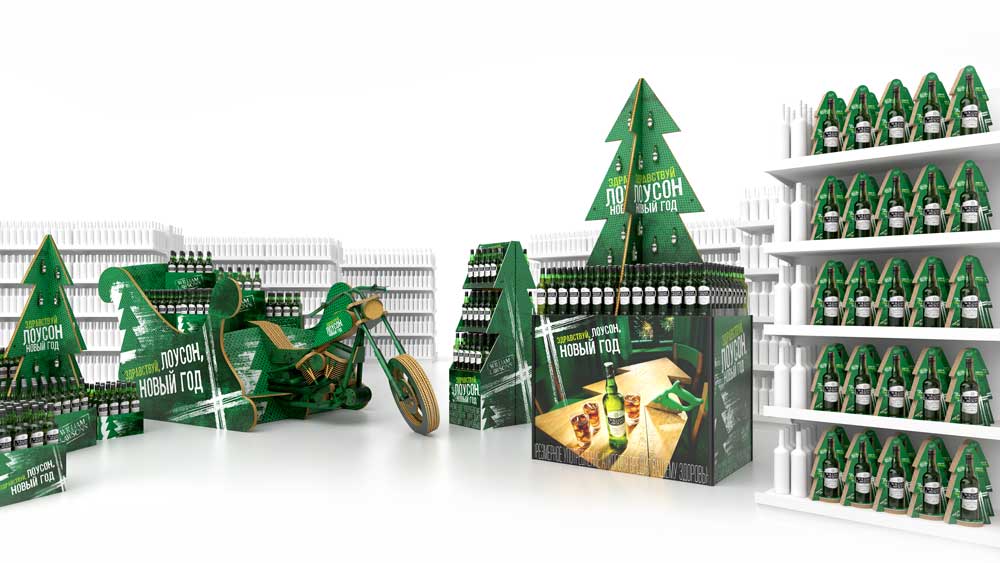
There are other types of shelves that are not necessarily found in every supermarket, so I won't describe them in detail. If you are still interested, you can click here to learn more about the types of supermarket shelves.
Define your planogram
Developing a planogram is an important thing that we do before we actually start working on the placement of the supermarket shelves. Because the planogram is what we use to plan the placement of shelves and merchandise in the supermarket/store, it details the different zones in the supermarket, how the shelves will be placed, and so on.
So how do you planogram your supermarket shelves? Roughly according to the following steps can be:
Clarify Objectives
Define our sales goals as well as customer profiling. The sales target refers to what items we want to prioritize, personally I would recommend prioritizing items that are hot and profitable. Customer profile refers to the shopping habits of customers, what do they like to buy?
Collecting Data
Collect data on your merchandise, data on customer behavior and investigate what your competitors are doing. Plan your supermarket shelf layout based on this data and your odds of achieving success can be greatly improved.
Determine Shelf Type and Location
Use your data to determine what type of shelving you need to use to display your merchandise and where you want to place your shelves.
For example, our general recommendation is to place your FMCG and promotional items in the main aisle area, as this is the area with the highest concentration of foot traffic. Place some eye-catching items in the corners to get customers to stop and drive the probability of purchase in the corners. Place small and impulse items near the cash register to complete the final merchandising push.
Remaining work
If you just want to determine where to place your supermarket shelves, then just follow the planogram to plan your supermarket shelves based on the data.
If you still want to go ahead and complete a full planogram, then let's move on to the remaining work. The following elements are left for the remaining work:
Visual display, we need to pay attention to the height, orientation and order of the products in the shelves.
Testing and adjustments, the initial planogram is not necessarily perfect, so we need to test it and adjust it if there are any problems in the actual use of the planogram.
The rest of the work is roughly these, in fact, here I do not tell very thoroughly, if you are interested in planogram, you are welcome to click here to read another article.
Tip for set up supermarket shelves
Supermarket shelves are also set up with many techniques, but the constant is centered around the core of enhancing the customer shopping experience and increasing sales, so I'll introduce you to some worthwhile setup techniques next.
The Golden Zone of Supermarket Shelves
We call the area of the supermarket shelves that is parallel to the customer's viewpoint the prime area, because this area is more likely to be noticed by the customer, so the items in this area have a higher chance of being purchased.
You can customize the height of your shelves based on the average height of your local population. Generally speaking the best display height is that when a customer stands in front of a supermarket shelf, his view is level with the middle level of the shelf.
Endcap display
The endcap refers to the shelves at the front and back ends of the gondola shelves, the shelves in this position have a very good location advantage and the frequency of customers passing through here will be very high. Therefore, endcap is the type of supermarket shelves we must set.
The products placed in the endcap are some promotional products, seasonal products and new products. Utilizing the greater flow of people to promote the sales of these goods.
Customers' Walking Route
Supermarkets have a fixed indoor area, so if customers walk straight to the checkout counter after purchasing what they need, it's not good for our product exposure. Therefore, we need to let customers pass by more areas of goods in the limited space.
So when we design and arrange the supermarket shelves, we have to design the customer's walking route, so that customers go deeper into the supermarket.
For example: we can put some daily necessities and high repurchase rate of goods in the depths of the supermarket, to drive customers to the depth of the supermarket.
Furthermore, we can also set the entrance and exit of the supermarket in two opposite directions, the cash register set in the exit, so that customers can get the required goods after the same and also have to cross the entire supermarket to reach the exit of the cash register for the checkout.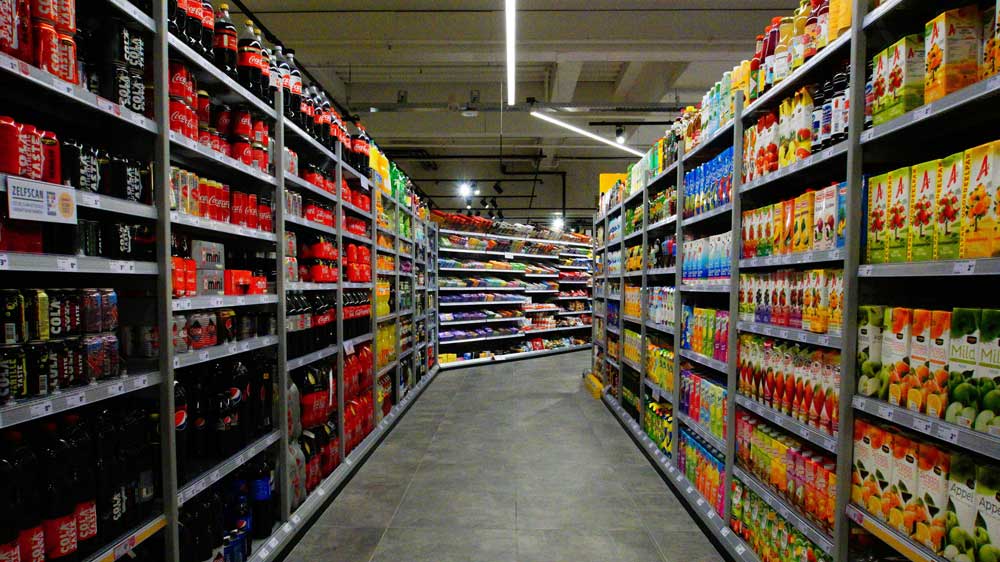
Zoning of goods
We plan each area in the supermarket according to the attributes of the goods to be divided, and each kind of goods between the region's sorting is best to have a correlation.
For example, these three rows of supermarket shelves are snacks areas, then these three rows of shelves are placed snacks, and in the adjacent area we set up for the beverage area, the benefits of such planning is to improve the shopping efficiency, and produce the probability of cross-selling.
Seasonal merchandise themes
Every country and region has its own culture and holiday customs, so when some of your local grand festivals are approaching, you can set up some related themes in your supermarket display area, specializing in selling goods related to this festival.
Commonly, we will customize some special shelves, to be placed in the supermarket in a conspicuous position.
Conclusion
Arranging supermarket shelves is not really difficult, you just need to divide the area where each kind of goods are sold, then pick the right shelves for the products in these areas, and finally adjust it with your data situation.
If you have a busy business and don't have time to deal with this, maybe we can help you! We will provide you with professional retail shelving solutions, not only provide you with finished or customized supermarket shelves, but also provide you with interior design drawings, let HEDA dedicate to your business!