How to Organize a Warehouse?
Why Warehouse Organization Is the Invisible Engine of Your Business Growth
Have you ever considered that a well-organized warehouse is more than just a neat space? In fact, it could be the invisible engine driving your business growth. Efficient warehouse organization can significantly boost your operational efficiency, cut unnecessary costs, and ultimately enhance customer satisfaction. This isn't an exaggeration; it's a proven business principle.
More Than Just Tidy: How Warehouse Organization Impacts Efficiency, Costs, and Customer Satisfaction
A well-organized warehouse offers value far beyond visual appeal. It directly impacts your day-to-day operational efficiency. Imagine your staff quickly finding the items they need, with smooth and seamless picking and shipping processes. Naturally, order processing speed will dramatically increase. This not only saves valuable time but also minimizes human error and reduces return rates.
More importantly, efficient warehouse management can significantly lower operating costs. Optimizing space utilization means you might not need additional storage space, saving on rent or construction expenses. At the same time, faster inventory turnover reduces stock buildup, lowering inventory holding costs and the risk of obsolescence. When your costs decrease, your products become more competitive in the market.
Ultimately, all of these benefits point to one core goal: enhancing customer satisfaction. When orders are delivered quickly and accurately to customers, their trust and loyalty to your brand increase. Satisfied customers lead to repeat purchases and word-of-mouth referrals, which are the true drivers of sustained business growth. Therefore, warehouse organization is far from mere "tidying up"; it's a strategic business investment.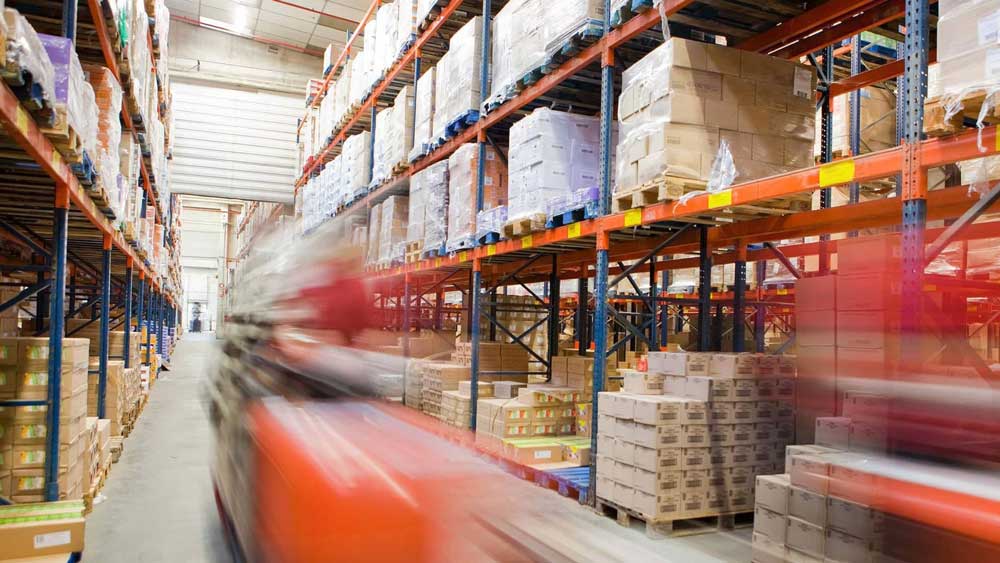
The Cost of Chaos: Common Warehouse Management Pain Points
The opposite of order is chaos, and chaos always comes with a hefty price tag. Many businesses have experienced the following common warehouse management pain points:
- Low Efficiency: Staff spend excessive time searching for items, and picking paths are inefficient, leading to low work productivity.
- Inaccurate Inventory: Discrepancies between book inventory and actual stock often lead to shortages or overstock, impacting sales and cash flow.
- Wasted Space: Poor warehouse layout, narrow aisles, and underutilized vertical space result in persistently high storage costs.
- High Spoilage and Loss: Goods are haphazardly stacked, making them prone to damage or expiration, increasing the risk of write-offs and losses.
- Safety Hazards: Blocked aisles, unstable stacking, and insufficient lighting can easily lead to workplace accidents.
- Customer Complaints: Delayed shipments, incorrect orders, and damaged goods directly harm customer experience and brand reputation.
These pain points are more than just annoyances; they are tangible operational barriers that hinder your business growth. Addressing these issues is precisely where the core value of warehouse organization optimization lies.
Foundation: The Cornerstones of Building an Efficient Warehouse
Now, let's dive into the core of transforming your warehouse from chaotic to highly efficient. In this section, we'll discuss the foundational elements for building an efficient warehouse, from cleverly utilizing space and precisely managing inventory to ensuring a safe and tidy work environment.
Optimizing Layout: How Shelving Shapes Your Warehouse Space
An efficient warehouse first and foremost requires an optimized layout. It's like a treasure map, guiding goods quickly and accurately to their designated spots, and enabling your staff to perform various operations efficiently. Shelving systems play a crucial role here; they aren't just storage tools but artists that shape your warehouse space.
Drawing the Blueprint: The Art of Planning from 2D to 3D Space
Planning a warehouse layout isn't simply about filling it with shelves. You need to start by drawing a blueprint, which is the art of planning from a two-dimensional floor plan to a three-dimensional space. First, consider your product characteristics: their size, weight, shape, and how frequently they enter and leave the warehouse. Then, you need to evaluate existing site conditions: column locations, doors and windows, fire safety installations, and so on.
Successful planning combines foresight with practicality. It requires you to logically arrange core processes like receiving, storage, picking, and shipping within the space, ensuring smooth material flow. A good blueprint helps you maximize storage density while ensuring operational efficiency and safety.
Functional Zoning: Logical Partitioning of Receiving, Storage, Picking, and Shipping Areas
An efficient warehouse must have clear functional zoning. Just as a home's living room, kitchen, and bedroom each serve their purpose, a warehouse also needs clearly defined areas for different functions:
- Receiving Area: This is the first stop for goods entering the warehouse. It needs sufficient space for unloading, counting, inspecting, and initial sorting. Ensure this area is spacious and has convenient connections to the storage area.
- Storage Area: This is the main body of the warehouse, holding the vast majority of inventory. Depending on product characteristics and turnover rate, you might need to subdivide it into different zones, such as fast-moving, slow-moving, or bulk item areas.
- Picking Area: To improve picking efficiency, high-turnover items are usually placed in easily accessible locations closer to the shipping area. The layout of this area directly impacts the productivity of your pickers.
- Shipping Area: This is the final gateway for goods leaving the warehouse. Adequate space for packing, labeling, and loading is needed to ensure smooth and accurate dispatch of goods.
Clear functional zoning not only improves operational efficiency but also reduces confusion and errors.
Aisle Design: Width, Markings, and Unidirectional/Bidirectional Flow
Aisles are the "arteries" of your warehouse, and their design directly affects the speed and safety of material handling.
- Width: Aisle width must be determined based on the handling equipment you use (e.g., forklifts, AGVs). Allow enough width to ensure equipment can pass and turn safely and smoothly, while also considering pedestrian traffic.
- Markings: Clear floor markings (like arrows, zebra crossings, and zone numbers) are crucial. They guide the flow of vehicles and personnel, and delineate safe and restricted areas to prevent accidents.
- Unidirectional/Bidirectional Flow: Depending on the warehouse size and business volume, you can choose unidirectional or bidirectional traffic flow. Unidirectional flow is generally safer, reducing collision risks, but might require longer aisles. Bidirectional flow can save space but requires stricter traffic management.
A well-designed aisle system will make your warehouse run like a well-oiled machine, achieving more with less effort.
Vertical Utilization: Choosing the Right Shelving System for Your Needs
Utilizing only floor space is far from enough. In a warehouse, vertical space is your greatest asset. Choosing the right shelving system can help you maximize the height of your warehouse, achieving the highest possible storage density. As a shelving manufacturer, we understand this deeply and can offer you various solutions.
Conventional Shelving: Versatility and Applications of Heavy-Duty, Medium-Duty, and Light-Duty Racks
Conventional shelving is the most common storage system in warehouses, widely popular for its versatility and flexibility:
- Heavy-Duty Racking (Pallet Racking): Suitable for storing palletized goods, with high load capacity, accessible by forklifts. It forms the backbone of most warehouses, offering extreme flexibility to easily adjust beam levels to accommodate different pallet sizes.
- Medium-Duty Shelving: Typically used for storing cartons or loose items, accessible manually. These shelves have a stable structure, are easy to assemble, and are suitable for medium-weight items.
- Light-Duty Shelving: Ideal for storing lightweight, smaller items such as spare parts or documents. Often used in smaller warehouses or as supplementary storage for heavy-duty racking.
These conventional shelving types are the foundational choice for many businesses due to their cost-effectiveness and ease of operation.
High-Density Storage: How Shuttle, Drive-In, and Push-Back Racks Maximize Capacity
When you need to maximize storage capacity, high-density storage systems are the ideal choice. They increase storage density by reducing or even eliminating aisles:
- Shuttle Racking: This is a semi-automated, high-density storage system. Pallets are transported within the rack structure by an electric shuttle car, greatly improving access efficiency and storage density. It's very suitable for storing large quantities of a few product types.
- Drive-In Racking: Forklifts can drive directly into the rack structure for loading and unloading. It's suitable for large quantities of a few product types, following a "Last-In, First-Out" (LIFO) principle. It effectively utilizes warehouse space but requires higher skill from forklift operators.
- Push-Back Racking: Pallets move automatically towards the rear of the rack on inclined rails via gravity. Forklifts only need to load and unload from the front, achieving "Last-In, First-Out" (LIFO). This system increases storage density while reducing forklift travel distance.
These systems are powerful tools for achieving high-density storage and fully utilizing warehouse space.
Special Needs: Innovative Applications of Cantilever, Live, and Mezzanine Racks
Beyond conventional shelving, some specialized racking systems can meet unique storage needs:
- Cantilever Racking: Designed specifically for storing long materials (like steel pipes, timber, profiles). Its cantilever structure allows forklifts easy access from the front, eliminating the length restrictions of traditional shelving.
- Live Racking (Flow Racking): Utilizes gravity, with goods loaded from one end and automatically sliding down rollers or wheels to the picking face at the other end. Suitable for "First-In, First-Out" (FIFO) goods such as food or pharmaceuticals, it effectively improves picking efficiency.
- Mezzanine Racking (Platform Racking): Creates one or more additional levels within an existing warehouse, transforming storage space into a multi-story, three-dimensional structure. This significantly increases storage area, typically used for small and light items, and can be combined with medium-duty shelving.
These innovative racking systems can solve your unique storage challenges and enhance overall warehouse efficiency.
Space Optimization Tips: Reduce Waste, Increase Density
Choosing the right shelving system is just the first step; space optimization also requires some practical tips:
- Precise Measurement: From the outset of design, accurately measure your warehouse dimensions and usable height to ensure shelving perfectly fits the building structure.
- Minimize Aisles: While meeting safety and operational needs, try to shorten or reduce unnecessary aisles, dedicating more space to storage.
- Dynamic Storage: For items with fluctuating turnover rates, consider dynamically adjusting their storage locations to adapt to business demands.
- Regular Organization: Periodically clear out idle items and scrap to avoid occupying valuable storage space.
- Vertical Stacking: When conditions allow and it's safe, leverage the stacking properties of goods to stack them upwards.
Remember, every inch of warehouse space is invaluable. Rational utilization and optimization are how you create more profit for your business.
Inventory Management: Ensuring Every Item Has a "Home"
Optimizing warehouse layout is just the first step; inventory management is the "heart" of warehouse organization. Imagine this: even with the most logical layout, if staff can't find items or inventory data is inaccurate, all efforts will be significantly undermined. Ensuring every item has a "home," and that this "home" can be precisely tracked, is key to efficient warehouse management.
Clear Identification: The Application of Labels, Barcodes, and RFID
To give an item a "home," it first needs a clear "identity card." Clear identification is the foundation of accurate inventory management.
The Importance of Standardized Coding
Standardized coding is the "language" of your entire inventory system. Whether it's your own internal coding or industry-standard product barcodes (like EAN/UPC), the key lies in uniqueness and consistency. Every SKU (Stock Keeping Unit) should have a unique code, and this code must remain consistent throughout the entire supply chain. This effectively avoids confusion, improves the accuracy of data entry and retrieval, and lays a solid foundation for subsequent automation and data analysis.
How Smart Identification Technologies Accelerate Turnover
Traditional pen-and-paper record-keeping is long outdated. Now, smart identification technologies are completely transforming the landscape of inventory management:
- Barcode: The most common and economical identification technology. It significantly boosts the efficiency of receiving, dispatching, and inventory counts by quickly reading product information with a scanner. It reduces manual entry errors and ensures data accuracy.
- RFID (Radio Frequency Identification): This is a more advanced wireless identification technology. RFID tags can store more information and support non-contact, simultaneous reading of multiple tags, even identifying items without opening their packaging. It can dramatically accelerate inventory counts and enable more precise inventory tracking, especially suitable for high-value, high-turnover, or batch-processed goods.
The application of these technologies elevates your inventory management from "manual" to an "intelligent" level, significantly speeding up material turnover and reducing operating costs.
Scientific Classification: ABC Analysis and Inventory Zoning Strategies
Clear identification alone isn't enough; you also need to scientifically classify your inventory. This helps you understand the value and turnover rate of different items and optimize your storage strategy accordingly.
The "Golden Position" for High-Turnover Goods
There's a segment of products in your warehouse that are always moving in and out quickly, with high demand. These are your high-turnover goods, or, according to ABC analysis, they belong to Category A items (small in quantity but high in value/fast in turnover). Placing these "golden items" in the closet, most accessible locations to the picking and shipping areas can significantly shorten picking paths and time, improving overall efficiency. This means they might be near the warehouse entrance or in the core of the picking aisle.
Considering Size, Weight, and Shelf Life
Beyond turnover rate, the physical characteristics and special requirements of the items themselves must also be considered:
- Size and Weight: Large, bulky items might need to be placed on the ground or lower shelves, and closer to the outbound area; while light, small items are suitable for higher shelves or flow racks.
- Shelf Life/Batch: For items with a shelf life or those that need to follow "First-In, First-Out" (FIFO) principles (like food, pharmaceuticals), specific storage and picking strategies are required, such as flow racks or strict batch management, to ensure items are dispatched in the correct sequence and avoid expiration.
- Special Storage Conditions: Some goods require special environments like refrigeration, moisture protection, or anti-static conditions. These need to be stored in dedicated areas with appropriate facilities.
Through this meticulous classification and consideration, you can ensure that every item is properly stored and can be efficiently located and retrieved when needed.
Accurate Inbound and Outbound: Avoiding Errors in Process Design
Even with a perfect layout and clear identification, if inbound and outbound processes aren't rigorous, it can still lead to numerous errors. Precise process design is key to reducing inventory discrepancies and enhancing customer satisfaction.
Standardized Receiving Process
Receiving is the first line of defense in inventory management. A standardized receiving process should include:
- Appointment and Planning: Knowing in advance the types, quantities, and arrival times of incoming goods to prepare the receiving area and personnel.
- Counting and Verification: Carefully checking if the physical quantity matches the purchase order or delivery note, ensuring no misdeliveries or missing items.
- Quality Inspection: Checking if goods are damaged, if packaging is intact, and immediately marking or isolating items that require special handling.
- Putaway and Storage: Accurately placing verified goods into their corresponding storage locations according to pre-set storage rules and promptly updating the inventory system.
No step in this process can be overlooked, as any error in the receiving phase will be amplified in subsequent processes.
Efficient Picking Path Planning
Picking is one of the most labor-intensive and efficiency-optimizing stages in a warehouse. Efficient picking path planning can significantly reduce the walking distance and time for your staff:
- Zone Picking: Breaking down orders by product storage area, with different pickers completing picking within their respective zones, and then consolidating the orders.
- Batch Picking: Grouping similar or adjacent items from multiple orders for a single pick, reducing redundant travel.
- Smart Path Optimization: Utilizing a WMS (Warehouse Management System) or other software to automatically generate the optimal picking path based on order contents and item locations, guiding pickers to complete tasks in the most efficient manner.
By optimizing these core processes, you can ensure the accuracy of your inventory data, maximize employee efficiency, and ultimately provide faster, more accurate service to your customers.
Cleanliness and Safety: Creating a Worry-Free Work Environment
An efficient warehouse isn't just about the flow of goods; it's also about ensuring the safety and health of your people. A clean and safe warehouse environment not only boosts employee morale and reduces accidents but also directly impacts your operational efficiency and costs. After all, a single workplace injury or fire could nullify all your previous optimization efforts.
Daily Maintenance: More Than Just Sweeping, It's an Efficiency Guarantee
Daily warehouse maintenance is far more than simply picking up a broom and sweeping. It's an ongoing effort that concerns every detail and is an invisible guarantee of efficiency.
Cleaning Schedule and Accountability
To ensure continuous warehouse cleanliness, you need to establish a detailed cleaning schedule. This plan should clearly define:
- Cleaning Areas: Responsibilities for cleaning each area (receiving, storage, picking, aisles, shipping, etc.).
- Cleaning Frequency: Daily, weekly, and monthly cleaning tasks.
- Cleaning Tools: Required tools and cleaning agents.
- Responsible Parties: Assign clear responsible individuals or teams, and conduct regular inspections and evaluations.
When cleaning becomes a planned, accountable daily task, it integrates into warehouse operations rather than being seen as an extra burden. A tidy environment also helps employees focus better and reduces errors caused by clutter.
Timely Removal of Debris and Waste
Small bits of debris and waste may seem insignificant, but they are potential hazards and efficiency killers. Cardboard scraps, plastic packaging, and pallet fragments can all lead to trips, slips, or even damage to forklift tires. Therefore, establishing a mechanism for timely cleanup is crucial:
- Place enough trash bins or recycling containers in each area.
- Encourage employees to "clean as they go," removing trash and debris immediately.
- Regularly empty trash bins and sort recyclables.
A warehouse free of accumulated clutter not only looks more professional but also significantly reduces accident risks and ensures clear aisles.
Clear Aisles: Ensuring Free Movement for People, Goods, and Equipment
Warehouse aisles are like traffic arteries; they must always remain clear. Any form of obstruction can lead to decreased efficiency, personal injury, or equipment damage.
- Prohibit Arbitrary Stacking: Strictly forbid temporary stacking of goods, equipment, or personal items in aisles. Even short-term "temporary storage" can cause accidents.
- Designate Safe Zones: Use clear floor markings (like yellow lines, crosswalks) to define pedestrian walkways, vehicle lanes, and safety buffer zones.
- Maintain Clear Overhead Space: Ensure there are no hanging objects or obstructions above aisles, providing enough working space for forklifts and elevated work equipment.
- Emergency Exits: It's especially important to emphasize that emergency exits and fire lanes must always remain clear and unobstructed. These are lifelines and allow no compromise.
A clear and unobstructed aisle system ensures the free and efficient movement of people, materials, and equipment within your warehouse, which is fundamental for guaranteeing daily operations and emergency response capabilities.
Safety First: Employee Training and Risk Prevention
In a warehouse environment, safety is never an optional extra; it is the baseline, the highest priority. No matter how advanced your shelving systems are or how optimized your processes, if employees lack safety awareness, risks will be omnipresent.
Safety Signage and Emergency Exits
Clear, easy-to-understand safety signage is the first line of defense in warehouse safety:
- Danger Warnings: Such as "Caution Forklift," "Falling Objects," "No Smoking."
- Directional Guidance: Locations of emergency exits, fire fighting equipment, and first-aid kits.
- Operational Guidelines: Such as shelf load limits, proper use of personal protective equipment.
Simultaneously, ensuring clear and conspicuous emergency exits is paramount. All employees should know where the nearest emergency exit is, what the evacuation routes are, and where the assembly points are. Regular fire drills and evacuation exercises enable employees to evacuate calmly and orderly in an emergency.
Regular Equipment Inspection and Maintenance
Various equipment in the warehouse, such as forklifts, pallet jacks, lifting platforms, and the shelving systems we provide, all require regular inspection and maintenance.
- Equipment Inspection: Ensure that all equipment's brakes, tires, hydraulic systems, etc., are in good working condition. Any worn or damaged parts should be repaired or replaced immediately.
- Shelf Inspection: As a shelving manufacturer, we emphasize the structural safety of the shelving itself. Regularly inspect shelves for deformation, looseness, rust, or damage, especially uprights, beams, and connectors. If any issues are found, immediate action should be taken to repair or reinforce them to prevent collapse accidents.
- Employee Training: All personnel operating equipment must be professionally trained and certified. Training content should include safe operating procedures, emergency handling, load limits, etc.
Integrating safety into every aspect of warehouse management and making it part of your corporate culture is the only way to truly create a worry-free work environment that reassures employees and ensures steady business development.
Advanced: Leveraging Technology and Management for Organizational Excellence
In the foundational section, we explored the key elements of warehouse organization. Now, let's look to the future and see how you can elevate your warehouse organization to a whole new level by introducing advanced technology and management methods, achieving operational excellence. This isn't just about boosting efficiency; it's the necessary path towards transforming into an intelligent, modern warehouse.
The Digital Brain: WMS's Core Role in Warehouse Organization
In a modern warehouse, a WMS (Warehouse Management System) acts like a powerful "digital brain." It's no longer an option but a core tool for achieving refined management and efficient operations. A WMS closely connects your warehouse data, processes, and personnel, providing unprecedented visibility and control.
Real-Time Data: Enhanced Inventory Visibility and Accuracy
Say goodbye to "blind" inventory management! One of the most significant advantages of a WMS is providing real-time data.
- Inventory Visibility: With a WMS, you can know the exact location, quantity, batch, and status (e.g., awaiting receipt, available, awaiting shipment) of every item in your warehouse, anytime, anywhere. This is like giving your warehouse "X-ray vision," putting you in complete control of your inventory status.
- Accuracy Improvement: By integrating with barcode/RFID scanning equipment, a WMS ensures that data from all inbound, outbound, and internal transfer operations is synchronized in real time. This significantly reduces manual errors, keeping your book inventory highly consistent with physical inventory, thus avoiding out-of-stock or overstock issues caused by inaccurate inventory.
With real-time data, you can make smarter decisions, quickly respond to market changes, and enhance customer satisfaction.
Automated Processes: End-to-End Optimization from Inbound to Outbound
A WMS is not just a data management tool; it's also a powerful process automation engine.
- Inbound Optimization: A WMS can automatically assign optimal storage locations for newly arrived goods based on preset rules, event planning storage paths before goods are physically put away. This reduces manual judgment and speeds up putaway time.
- Picking Path Optimization: The system can intelligently generate optimal picking paths based on order contents and item locations, guiding pickers to complete tasks in the shortest distance and fastest time.
- Wave Management and Order Consolidation: A WMS can intelligently consolidate multiple small orders into a single picking wave or merge different orders for the same customer, thereby improving picking and packing efficiency.
- Outbound Management: From order packing and labeling to loading and dispatch, a WMS provides guidance and tracking, ensuring goods are shipped accurately and on time.
Through WMS's automated processes, you can significantly reduce manual intervention, lower operating costs, and ensure every order is completed efficiently and accurately.
Data Analysis: Guiding Layout Optimization and Inventory Strategy
A WMS is not just an operational tool; it's also a decision support system. It collects and stores vast amounts of operational data, providing valuable insights through powerful data analysis functions:
- Hot-Selling Item Analysis: Identifies high-turnover "golden items," guiding you to place them in optimal locations.
- Location Utilization Analysis: Evaluates the utilization of each storage location, identifies idle space, and guides further optimization of the warehouse layout.
- Personnel Performance Analysis: Tracks the efficiency of pickers and packers, identifies bottlenecks, and provides targeted training.
- Future Demand Forecasting: Combining historical data with sales forecasts, a WMS can help you more accurately predict future inventory needs, thereby optimizing procurement and replenishment strategies.
By leveraging the data analysis capabilities of a WMS, you can continuously improve warehouse operations, bringing your organizational efficiency to its peak.
Automation and Semi-Automation: The Organizational Form of the Future Warehouse
With technological advancements, automation and semi-automation solutions are gradually becoming mainstream in modern warehouses. They integrate seamlessly with shelving systems, jointly forming the organizational structure of future warehouses, greatly enhancing efficiency, accuracy, and safety.
Smart Storage: How AS/RS Improves Efficiency
AS/RS (Automated Storage and Retrieval System) is the pinnacle of warehouse automation. It uses stacker cranes or shuttle cars to automatically store and retrieve goods in very tall racks.
- Ultimate Space Utilization: AS/RS systems can typically reach very high heights, maximizing vertical space utilization, with storage density far exceeding traditional warehouses.
- High Efficiency: The system can operate 24/7 continuously, with fast access speeds, significantly increasing throughput.
- Accuracy: Through integration with WMS, AS/RS ensures 100% storage and retrieval accuracy, virtually eliminating manual errors.
- Reduced Labor Costs and Safety: It reduces reliance on manual labor and eliminates the risks of working at heights.
While the initial investment may be higher, AS/RS can bring significant long-term efficiency and cost savings, especially suitable for high-value, high-throughput industries or those requiring ultimate space utilization.
Robots and AGVs: Assisting Picking and Handling, Enhancing Accuracy
Robots and AGVs (Automated Guided Vehicles) are transforming material handling within warehouses, and they are key to achieving the "goods-to-person" picking model:
- AGV: Can automatically transport pallets, totes, or shelves within the warehouse according to preset paths. They can replace some forklift operations, reduce manual labor intensity, and lower accident risks.
- Picking Robots: Some more advanced robots can identify items and perform precise picking. They can work with shelving systems to move items or entire shelves to the picker, implementing a "goods-to-person" model, which greatly reduces the picker's walking distance and time.
These automated devices not only enhance the efficiency and speed of handling and picking but also significantly improve operational accuracy, reducing problems caused by fatigue or errors.
Seamless Integration with Shelving Systems: Achieving Human-Machine Collaboration
Whether it's AS/RS, AGVs, or picking robots, their efficiency depends on seamless integration with shelving systems.
- Customized Shelving: To accommodate automated equipment, shelving systems often require special design and manufacturing to ensure that equipment paths, precision, and load capacity perfectly match the shelving.
- Structural Stability: Automated equipment typically operates at high speeds, demanding extremely high stability, flatness, and installation precision from shelving.
- Human-Machine Collaboration: In many warehouses, automated equipment does not completely replace human labor but collaborates with it. For example, robots handle transportation while humans perform fine picking. This requires shelving design to also consider the convenience and safety of manual operations.
As a shelving manufacturer, we deeply understand the importance of this integration and can provide customized shelving solutions that meet automation requirements, helping you achieve efficient human-machine collaboration.
Continuous Improvement: Making Organization a Habit
Warehouse organization is not a one-time project. Markets change, products change, and technology changes. Therefore, continuous improvement is key to keeping your warehouse organization vibrant. It's not a one-off project but a "habit" integrated into your corporate culture.
Regular Audits and Evaluations: Identifying Issues, Seeking Breakthroughs
You cannot improve what you haven't measured. Regular audits and evaluations are effective ways to identify issues, pinpoint bottlenecks, and seek breakthroughs:
- Key Performance Indicators (KPIs): Set and track key performance indicators such as order fulfillment rate, picking efficiency, inventory accuracy, location utilization, and throughput per square foot.
- Process Review: Regularly review existing processes to identify redundancies, bottlenecks, or unnecessary steps.
- Employee Feedback: Encourage frontline employees to offer opinions and suggestions; they often best understand pain points in actual operations.
- Safety Inspections: Conduct regular comprehensive safety checks to ensure all safety measures are in place and potential hazards are promptly eliminated.
Through these audits and evaluations, you can uncover potential problems and develop improvement plans.
Employee Engagement and Empowerment: Enhancing Organizational Awareness, Unleashing Team Power
Warehouse organization is not just a management task; it requires full participation from all employees.
- Training and Education: Regularly train employees on warehouse management, safe operations, WMS usage, etc., to enhance their professional skills and organizational awareness.
- Shared Goals: Help employees understand the importance of warehouse organization to the company's business and how their work impacts overall efficiency and customer satisfaction.
- Rewards and Recognition: Acknowledge and reward employees who contribute to warehouse organization, boosting their motivation.
- Building Ownership: When employees feel they are part of the warehouse organization improvement process, they will be more proactive in maintaining warehouse tidiness and order.
Empowering your team to become owners of warehouse organization can significantly enhance overall execution and continuous improvement capabilities.
Integrating Sustainable Development Concepts: The Way of Green Warehouse Organization
In today's world, where environmental protection is increasingly emphasized, sustainable development concepts should also be integrated into your warehouse organization to create a "green warehouse."
- Energy Efficiency: Optimize lighting systems (e.g., using LED lights), improve ventilation, optimize refrigeration systems, and reduce energy consumption.
- Waste Management: Promote waste sorting, recycling, and reuse to reduce waste generation. For example, recycling discarded packaging materials.
- Space Optimization: More efficient space utilization means less demand for storage area, thereby reducing consumption of land and building resources.
- Green Procurement: Prioritize environmentally friendly materials for shelving and storage equipment.
Integrating sustainable development into warehouse organization not only contributes to the planet but also enhances your corporate image and can even lead to cost savings in the long run.
Our Advantage: How We, as a Racking Manufacturer, Can Empower You
After exploring all aspects of warehouse organization, you might be wondering: "This all sounds great, but how do I actually implement it?" As a professional warehouse racking manufacturer, we don't just provide shelves; we are your strategic partner in achieving highly efficient warehouse organization. We understand that every warehouse has its unique needs and challenges, and our expertise lies in transforming these challenges into opportunities for growth.
Tailored Solutions: From Design to Installation
We know there's no "one-size-fits-all" warehouse solution. Your product types, storage volume, facility conditions, budget, and even future development plans all determine the most suitable racking system for you. Therefore, we offer customized racking solutions, covering the entire process from initial design to final installation.
Understanding Your Specific Needs (Products, Facility, Budget)
At the beginning of any project, we dedicate time to thoroughly understand your specific needs:
- Product Characteristics: What are you storing? What are their size, weight, fragility, and turnover rate? These factors directly influence the choice of racking type.
- Facility Conditions: How high is your warehouse? Are there any specific columns, pipes, or fire safety installations to work around? What is the floor's load-bearing capacity? We meticulously survey every detail.
- Budget Considerations: We will recommend the most cost-effective solutions for your investment budget, ensuring functionality and safety.
We believe that only by fully understanding your business context can we provide truly valuable solutions.
Expert Consultation and On-Site Survey: Providing Optimal Configuration Advice
Our service goes beyond just selling racks; it includes professional expert consultation and on-site surveys. Our team possesses extensive warehouse planning experience and can:
- Provide Professional Advice: Based on the information you provide, we will recommend the most suitable racking types for you (e.g., heavy-duty, high-density, cantilever, etc.) and explain their advantages and application scenarios in detail.
- Conduct On-Site Surveys: We dispatch professionals to your warehouse for on-site measurements and inspection to ensure the precision of all design parameters.
- Optimize Space Layout: Leveraging our racking design expertise, we optimize your warehouse's overall layout, including rack arrangement, aisle design, and functional zoning, ensuring every inch of space is efficiently utilized.
- Provide Detailed Proposals: We will provide detailed CAD design drawings, 3D renderings, and quotation proposals, giving you a clear vision of your future warehouse.
From the moment you contact us, we are committed to providing you with the best configuration advice, ensuring your investment delivers value.
Conclusion: Moving Towards an Efficient, Intelligent, and Safe Future Warehouse
We hope this guide has provided you with a clear roadmap, guiding you step-by-step on how to optimize your warehouse organization. From foundational layout and inventory management to leveraging technology for automation, and integrating continuous improvement into daily operations, every step is crucial. An efficient, intelligent, and safe warehouse is more than just about reducing costs and increasing efficiency; it is your enterprise's core competitive advantage in a fierce market.
Contact Us: For Expert Racking and Organization Consulting Services
If you need professional assistance in planning your warehouse layout, selecting a racking system, or wish to elevate your warehouse organization to new heights, please don't hesitate to contact us immediately. As a professional warehouse racking manufacturer, we offer:
- Extensive Industry Experience: We understand the storage needs and operational challenges across various industries.
- Professional Design Team: We tailor the most suitable racking solutions specifically for you.
- High-Quality Products: We ensure the safety, durability, and stability of our racking systems.
- Comprehensive After-Sales Service: From installation to maintenance, we provide a worry-free experience.
Let us work together to transform your warehouse into a true engine of business growth. We look forward to partnering with you and embarking on your warehouse's transformation journey!