The Complete Guide to PDQ Display: Definitions, Types, Designs & Marketing Strategies
What is a PDQ Display?
Definition and full meaning of PDQ
PDQ stands for “Pretty Darn Quick”, and is a fast on-shelf display solution commonly found in the retail industry. It refers to pre-assembled, compact, easy-to-transport, quick-to-display product displays, usually made of corrugated cardboard, for short-term promotions, new product introductions, seasonal events and other retail scenarios.
Although PDQ originally means “quick”, in the retail supply chain, it also extends to “efficient selling”, “easy to put on shelves” and “attracting attention”. “Attention-grabbing” functional attributes.
Relationship of PDQ with POP and POS
PDQ is often used in conjunction with POP (Point of Purchase) and POS (Point of Sale). Although all three are retail display tools, they have slightly different emphases:
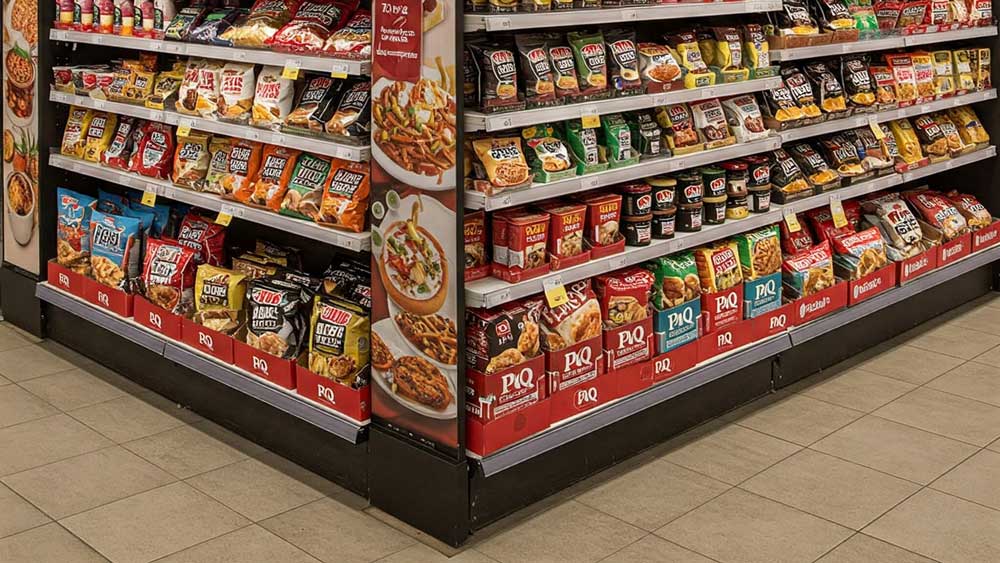
- PDQ (Pretty Darn Quick) emphasizes quick assembly and shelving, and is a pre-packaged, ready-to-use finished display.
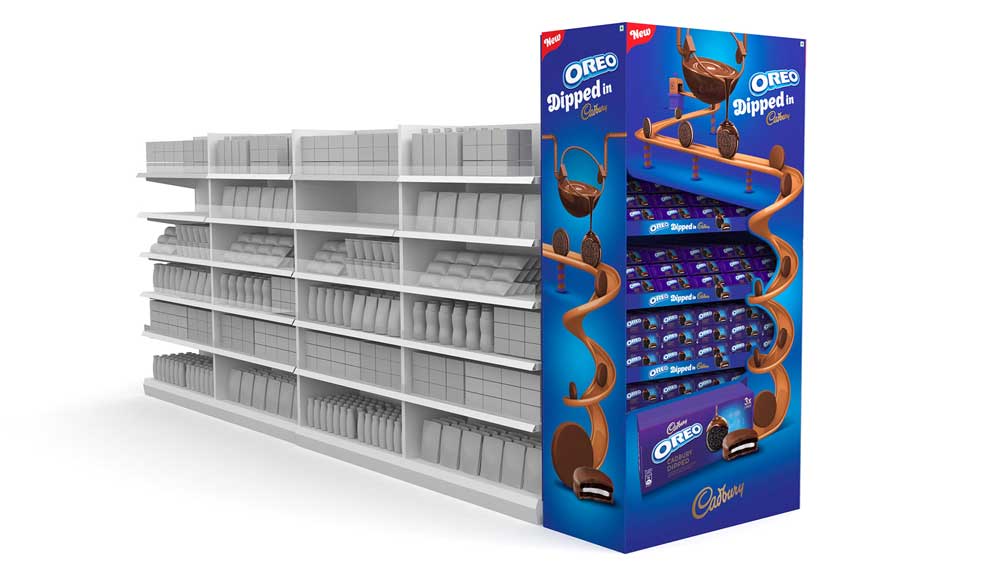
- POP (Point of Purchase) display is a wide range of all promotional displays, including end racks, hanging cards, island displays, etc., emphasizing visual marketing and brand exposure.
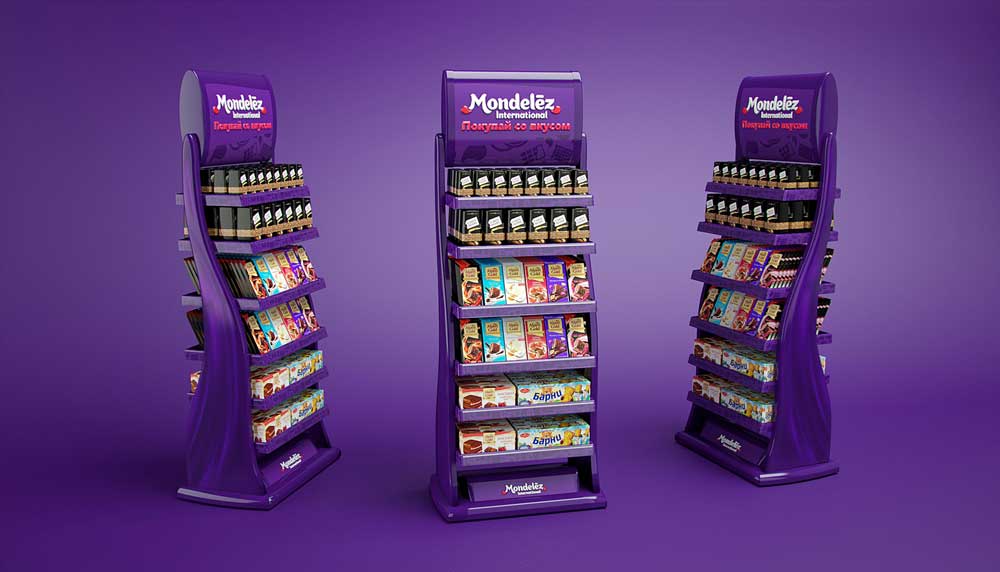
- POS (Point of Sale) displays are usually located in the cashier area or near the exit, and are used to promote temporary impulse purchases, such as candies and chewing gum.
Key Features and Benefits of PDQ Displays
PDQ displays are favored by large retailers (e.g. Walmart, Target, Costco) due to the following advantages:
- Reduced shelf time
- PDQ displays are usually pre-assembled at the factory, and retailers can simply unbox the products, which greatly saves display and labor time.
- Improved Product Visibility
- Well-designed and well-structured PDQ displays can attract consumers' attention by placing products in high-traffic areas.
- Enhance brand unity
- PDQ displays support customized printing, which can unify brand visual elements such as logo, color, slogan, etc. to enhance brand awareness.
- Reduce logistics and warehousing costs
- Corrugated cardboard is a lightweight material with low transportation costs, and its compact structure saves storage space.
- Flexible application in a variety of sales scenarios
- Whether at the checkout counter, in the middle of the shelf or on the floor, PDQ can be customized in size and structure to suit different display needs.
Main types of PDQ Display
PDQ Displays come in a wide variety of forms and can be customized according to the usage scenario, display location, product weight and promotional purpose. The following are some of the most common types of PDQ displays, each with its own unique structure and application advantages.
Counter Display
Countertop PDQ displays are small in size and are usually placed above a cash register, reception desk or display case. This type of display is mainly used to display small packages, lightweight, high-frequency purchase of goods, such as chewing gum, trinkets, hand creams, lighters and so on.
Advantages:
- Takes up little space, easy to place in high-traffic areas
- Enhance impulse buying rate
- Easy to change and restock quickly
Shelf Display
The Shelf Display PDQ is typically designed to be placed in the center or above a standard supermarket shelf. It can be molded individually or inserted into existing shelving systems.
Applicable Products: Small foodstuffs, pharmaceuticals, electronic accessories, etc.
Benefits:
- Easy to insert into the retail shelving system, high degree of standardization.
- It can be used in conjunction with product packaging to enhance the neatness and aesthetics of the display.
Floor Display
This type of PDQ display is placed directly on the floor, usually with a high structure (90~150cm), and can hold a large number or a slightly larger volume of products, which is commonly found in large stores or promotional areas.
Applicable products: Shampoo, paper towels, beverage bottles, detergents, etc.
Advantages:
- Large capacity, suitable for new product promotion or large package sales.
- Stable structure, easy to pull consumers' attention
Pallet Display
Pallet PDQ is a highly standardized display format for large retailers such as Walmart, often combined with full pallet shipping. Products and displays are assembled directly onto wooden pallets, which can be transported in pallets to the store and placed directly on the sales area.
Divided into: quarter pallets, half pallets, full pallets, etc.
Advantages:
- Zero disassembly, zero display, labor saving
- Meet the retailer's demand for integration of warehousing and display
- Good load-bearing, suitable for bulk commodities or large packaging products
Sidekick Display
Sidekick PDQs are usually mounted on the side or end shelf of the main shelf and have a long, narrow vertical shape, suitable for displaying lightweight and small products such as chargers, batteries, candy, etc.
Benefits:
- Utilize the original “dead corner” space to enhance the efficiency of shelf usage.
- Direct consumers' attention to other non-main products
Endcap Display
Endcap displays are located at the end of the aisle and are in an excellent position, often used for centralized branding or seasonal promotions. It can be structured as a standard shelf or integrated as a stand-alone display unit with a PDQ structure.
Advantages:
- Excellent display effect, prime location for sales promotion.
- Ideal for guiding new product trials or tie-in sales
Other customized PDQ solutions
In addition to the above standard formats, many brands also choose to design uniquely shaped PDQs based on specific marketing strategies, for example:
- Hanging PDQ (for hooks)
- Stacker PDQ (for giveaways)
- Combination displays (integrating different display formats)
These innovative formats can further enhance the brand's ability to differentiate itself and be remembered by consumers.
Application Scenarios and Retail Environments for PDQ Displays
PDQ displays are widely used in various retail environments due to their high flexibility, easy shelving and customizability. It is not only a product display tool, but also an effective weapon for brands to gain consumers' attention in retail terminals. Below are some examples of PDQ's application and value in typical retail scenarios:
1. Large supermarket chains (e.g. Walmart, Target, Costco)
In these high-traffic, high-volume retail environments, PDQ displays are mainly used for:
- New product promotion: to quickly attract customers' attention for the first try.
- Limited Time Promotions: To coincide with holiday or clearance events to increase turnover efficiency.
- Palletizing: Palletizing PDQ reduces display time and improves operational efficiency.
Example: Walmart has strict PDQ submittal specifications, and brand suppliers are often required to provide standard PDQ pallet displays with full drawings, UPC markings, and structural testing to ensure shipping and display compliance. 2.
2. drugstores (e.g., CVS, Walgreens)
In more compact drugstore environments, PDQs are mostly countertop racks and hook racks, often displaying the following items:
- Small personal care items (hand cream, lip balm)
- OTC medications (cold remedies, vitamins)
- Seasonal products (sunscreen, mosquito repellent)
PDQ can unify the brand visual communication and effectively enhance the recognition of the product among similar competitors.
3. Convenience stores and gas stations
Purchasing behavior is more impulsive in these places, and PDQ is usually placed near the cashier or cashier channel to focus on stimulation:
- Travel size products
- Snacks and beverages
- Digital accessories (rechargeable batteries, data cables)
Well-designed PDQs can significantly increase the sales of “grab-and-go” products.
4. Specialty stores and brand counters
In electronics, toys, beauty and other brand counters, PDQ displays are not only used for sales, but also carry the function of brand image communication. Its design is often combined with the brand's main visual or limited series, with a higher degree of customization and interactivity.
For example:
- LEGO Toys' ground-level PDQ, which can be embedded with interactive elements to attract children to stay.
- Beauty brands launch holiday limited edition countertop displays to enhance the sense of sophistication and collector's value.
5. E-commerce offline flash stores or promotional activities
PDQ is also valuable in temporary display scenarios. It can be used as:
- Event giveaway display racks
- Trial sample distribution point
- Core visual props for co-branded promotions
Its lightweight and environmentally friendly material makes it suitable for short-term deployment and rapid display, saving time and labor.
Through the above scenarios, we can see that PDQ is not only a “shelf”, it is a key medium to connect brands and consumers, online and offline, logistics and display.
PDQ Display Design Points and Manufacturing Processes
A successful PDQ display must be able to carry and display merchandise while attracting customers, being easy to transport, and meeting retailer specifications. This requires a balance of structural, visual and practicality in the design and production phase. Below are some key points that companies should pay attention to when developing PDQ displays:
1. Structural design: solid, safe and easy to assemble
Most PDQ displays are made of corrugated board, honeycomb board or micro corrugated board, and must meet the following structural requirements:
Reasonable load-bearing: set the load-bearing requirements of the bottom layer according to the net weight of the product to prevent collapse or deformation.
- Easy assembly: tool-free structures such as slots and snaps are used to facilitate quick installation in stores.
- Modular design: Especially the palletized PDQ can be disassembled into standard sizes for easy transportation.
- Stacking and Handling Safety: The edges should be protected against impacts to enhance the stability of transportation.
- Suggestion: Use CAD or 3D rendering technology for simulation during the design stage to anticipate possible structural problems.
2. Visual design: attracting attention, communicating the brand
In a crowded retail environment, the PDQ is an important window for a brand to make a first impression on consumers. Excellent visual design should do so:
Highlighting the main color and strong recognition: using brand colors or category-related colors (e.g. green to symbolize health).
- Combination of graphics and text, clear information: including product name, main selling points, promotional information, brand Logo.
- Appropriate white space to avoid clutter: allow consumers to quickly understand the value of goods.
- Uniformity of style with product packaging: maintain overall brand consistency.
3. Retailer specifications: in line with store display standards
Especially when working with large retail chains, PDQ's design must follow their display manuals and acceptance standards. Common requirements include:
Tray sizes must meet standard specifications (e.g. Walmart 40 “x48” tray)
- Barcodes (UPC), shipping labels, and orientation markings must be included.
- The outer box must be constructed to protect the integrity of the PDQ from damage during transportation.
- Ready-to-Sell: Eliminates secondary setup time.
It is recommended to maintain close communication with the buyer to obtain the display and logistics specifications in advance to avoid rework.
4. Material selection: lightweight, environmental protection and cost control
PDQ is usually for short-term use, so the selection of materials should take into account cost and environmental protection:
Corrugated cardboard: lightweight, low-cost, easy to recycle, and the most commonly used material.
- Honeycomb board: more load-bearing, suitable for medium-sized product displays.
- Plastic corrugated board/acrylic board: for specific durability needs or outdoor environments.
- Eco-friendly ink and laminating process: to improve printing quality and ensure recyclability.
5. Printing and Processes: Precision and efficiency at the same time
Common printing methods include:
- Flexo: for high volume, low cost printing.
- Offset: for projects with high color requirements
- UV Printing: Provides higher gloss and color performance.
Process options include lamination, embossing, partial UV, die-cutting, perforation, etc. for enhanced texture and functionality.
In the process of designing and producing PDQ displays, the only way to create a display solution that truly meets the business purpose is to consider a combination of structural, visual, transportation, display and environmental factors.
Advantages and Market Value of PDQ Display Stand
PDQ displays are not only a tool for product display, but also a bridge between brands, consumers and retailers. In the increasingly competitive retail industry, the use of PDQ displays can bring multiple values to brands, helping sales growth and market expansion.
1. Rapid shelving to improve store operation efficiency
The “Ready-to-Sell” feature of PDQ means that once the merchandise is transported to the store together with the display racks, it can be put on display with little or no additional operation, which greatly reduces the time and labor cost of putting the merchandise on the shelves. For retailers, this efficient solution is especially welcome to help:
- Ease holiday staffing constraints
- Increase the speed of new product entry
- Reduce the phenomenon of wrong display and missing display
2. Reinforce brand vision and attract consumers' attention
In the end-user environment, PDQ displays can dramatically increase the shelf impact of your brand with customized designs. Eye-catching patterns, uniform brand colors, and clever structural layouts can:
- Quickly catch consumers' attention
- Strengthen brand recognition and memory
- Increase the conversion rate of impulsive consumption
Especially in new product promotion, limited time promotion or seasonal marketing, PDQ displays can deliver core selling points to consumers for the first time.
3. Flexibility and adaptability to different sales scenarios
PDQ can be flexibly adjusted according to the actual sales environment, such as:
- Countertop PDQ: Suitable for cashier, convenience store and other small space.
- Tray-type PDQ: suitable for warehouse supermarkets or big promotion displays.
- Hanging PDQ: Suitable for narrow aisles or special areas.
- Layered PDQ: Suitable for small packages of goods classification display
This high degree of adaptability makes it effective in a variety of retail terminals.
4. Convenient transportation and warehousing, reducing supply chain costs
Compared with traditional display racks, paper PDQ display racks are characterized by light weight and small volume, which can be realized:
- Flat packaging and transportation, saving loading space
- Quick assembly, reducing warehouse operation time
- Simplify inventory management by disposing or recycling after use.
For brands, this “integrated logistics + quick display” approach is an important tool to improve the operational efficiency of retail channels.
5. Environmentally friendly and recyclable, in line with the trend of sustainable development
With green consumption becoming the mainstream, PDQ displays are usually made of recyclable cardboard and eco-friendly printing process, which not only meets the requirements of environmental regulations, but also enhances the brand's image and sense of responsibility in terms of ESG (Environmental, Social and Governance).
How to Customize PDQ Displays: From Design to Delivery
A successful PDQ display relies not only on creativity and materials but more crucially on a rigorous customization process and efficient collaboration with suppliers. A standard customization process begins with brand needs and ends with factory delivery, encompassing design, sampling, production, quality inspection, packaging, and logistics. The following is a complete process analysis:
1. Define Requirements: Determine Products, Scenarios, and Goals
Before customizing a PDQ display, the brand needs to provide the designer with the following key information:
- Product Type to be Displayed: Dimensions, weight, packaging method (single bottle/whole box)
- Display Scenario: Supermarket main aisles, convenience store checkout counters, promotional display areas, etc.
- Marketing Goals: Increase sales, establish brand image, coordinate with holiday promotions, etc.
- Retailer Specifications: Pallet size requirements, label specifications, transportation requirements, etc.
The clearer this stage is, the more accurately the subsequent design can meet actual needs.
2. Structural and Visual Design: Balancing Functionality and Aesthetics
Based on the requirements, designers will develop the structure and artwork:
- Structural Design: Ensure load-bearing stability, ease of assembly, and logistics friendliness.
- Graphic Design: Develop patterns, colors, and text layouts according to brand tone and target audience.
3D renderings, die-cut templates, and material recommendations are usually provided for customer confirmation.
Suggestion: Market research can be conducted at this stage to analyze the PDQ display effects of competitors and optimize visual strategies.
3. Sample Confirmation: Physical Evaluation and Structural Verification
After design confirmation, the factory will produce a sample for testing. Customers can evaluate the sample through the following methods:
- Structural Stability Test: Load-bearing capacity, stacking, and interlocking firmness.
- Color and Printing Quality Confirmation: Color difference, clarity, and surface finish meeting standards.
- Assembly Test: Whether it can be quickly assembled and is easy for store staff to handle.
Multiple rounds of sampling can be carried out if necessary until the desired effect is achieved.
4. Mass Production and Quality Control
After the sample is confirmed, the mass production stage begins. Special attention should be paid to the following quality control points:
- Material Consistency: Whether it is consistent with the sample, such as paper thickness and printing method.
- Color Stability: Avoid color differences during mass production.
- Die-Cutting Accuracy: Affects assembly accuracy and stability.
- Finished Product Inspection: Randomly check finished products according to AQL inspection standards to ensure batch quality.
Mature suppliers usually have ISO or FSC certification systems to ensure product quality and environmental protection.
5. Packaging and Logistics: Transportation-Friendly and Easy to Shelve
The packaging strategy of PDQ displays directly affects the efficiency of in-store display and should meet the following requirements:
- Transportation Safety: Reinforced outer boxes, waterproof and shockproof.
- Ready to Use Upon Unpacking: Some PDQs can be pre-loaded with products for direct shipment.
- Clear Identification: Such as display direction, opening instructions, and retailer labels.
For export projects, it is recommended to confirm whether pallet reinforcement and seaworthy moisture-proof treatment are required.
Conclusion
PDQ displays are a highly practical tool in the retail industry, helping brands quickly attract customer attention and increase sales within stores. Through rational design and efficient logistics management, PDQ displays not only save shelving time but also enhance brand visibility, leading to better sales results.
To maximize the effectiveness of PDQ displays, brand owners need to plan and control every aspect, including design, production, and transportation. This ensures that the displays are both aesthetically pleasing and practical, helping products stand out in the retail environment.
Overall, PDQ displays are more than just simple display tools; they can also become a significant aid in brand marketing, helping brands achieve better performance in a competitive market.