How Much Do Racking Equipment Cost
One common question many potential buyers of warehouse racking systems ask is: What is the cost of racking equipment?
This is an excellent question because every consumer should know the price of a product before making a purchase. Unfortunately, estimating the cost of racking equipment isn’t as straightforward as applying a fixed formula. This is due to the numerous factors that influence the price.
Let me explain what these factors are and how they impact the cost of racking systems.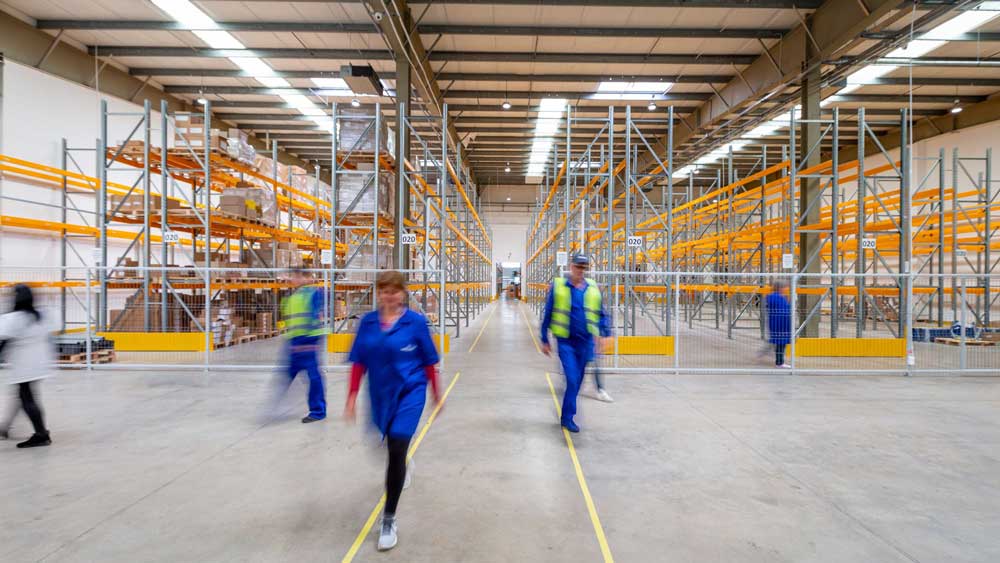
Factors Influencing the Cost of Racking Equipment
Material Costs
- Type of Steel: Most racks are made of cold-rolled steel, but the price varies depending on the steel type (e.g., carbon steel, stainless steel).
- Steel Thickness: Thicker materials provide greater load-bearing capacity but come at a higher cost.
- Surface Treatments: Processes like powder coating, galvanization, or other corrosion-resistant treatments increase costs.
Racking Type and Design
- Racking Type: Light-duty, medium-duty, heavy-duty, or flow racking systems differ in complexity and material usage, leading to price variations.
- Design Complexity: Customized designs are typically more expensive than standard ones due to additional engineering and production adjustments.
Size and Load Requirements
- Dimensions: The larger the rack (height, width, and depth), the more materials are needed, and the higher the cost.
- Load Capacity: Higher load requirements demand thicker steel and sturdier designs, which raise costs.
Manufacturing Processes
- Processing Precision: Advanced techniques like robotic welding or laser cutting incur higher costs.
- Production Equipment: High-end manufacturing lines produce better-quality products but reflect the investment in equipment.
Installation and Transportation Costs
- Transportation Distance: The cost of shipping racks from the factory to the customer depends on the distance, especially for bulk orders.
- Installation Services: Professional installation can add to the overall cost.
Market and Supply Chain Factors
- Raw Material Price Fluctuations: Changes in steel prices directly affect the cost of racks.
- Market Demand: Prices may rise when demand is high.
- Supply Chain Efficiency: A well-optimized supply chain can reduce manufacturing and delivery costs.
Brand and Quality Certifications
- Brand Premium: Well-known brands often charge more for their products due to quality assurance and after-sales support.
- Quality Certifications: Certifications like ISO or CE add production and inspection costs, affecting prices.
Additional Features and Accessories
- Additional Components: Accessories such as pallet support bars, safety barriers, and collision protectors increase costs.
- Special Features: Racks with heat resistance, anti-static properties, or corrosion resistance can be significantly more expensive.
Factors Affecting the Price of Second-Hand Racking Equipment
For budget-conscious buyers, second-hand racking equipment might be a viable option. Here are the key factors influencing their prices:
Condition and Usage
- Surface Wear: Visible scratches, rust, or deformation lower the price. Better-preserved racks fetch higher prices.
- Structural Integrity: Damage such as bent steel or broken welds significantly reduces value due to repair or replacement costs.
Type and Specifications
- Racking Type: Heavy-duty racks often command higher prices due to durability and versatility.
- Dimensions: Non-standard sizes may be cheaper due to lower demand but could require additional adjustments.
Age of the Racks
- Depreciation: Shorter usage periods result in lower depreciation and closer-to-new prices.
- Technology Updates: Older designs or obsolete models tend to have lower prices.
Material and Surface Treatment
- Material Durability: High-quality materials (e.g., cold-rolled steel) and excellent surface treatments (e.g., galvanization) maintain value better.
- Corrosion Resistance: Properly treated surfaces with effective anti-rust properties increase the price.
Quantity and Bulk Purchases
- Volume Discounts: Buying larger quantities can lower the per-unit price.
- Included Accessories: Additional components like pallets or support beams influence overall cost.
Market Supply and Demand
- Demand Levels: Prices rise in areas or industries with high demand and limited supply.
- Market Availability: Abundant supply typically results in lower prices.
Transportation and Installation
- Disassembly Costs: Second-hand racks often require dismantling, which adds to expenses.
- Shipping Costs: Transporting dismantled or bulk parts over long distances can be costly.
Source and Reliability
- Source Credibility: Purchasing from reputable sources ensures quality but may be more expensive.
- Private Transactions: Direct purchases from end-users might be cheaper but carry a higher risk of poor quality.
Conclusion
Whether you are purchasing new or second-hand racking equipment, the most important thing is to choose a product that meets quality standards. Compare trusted suppliers to find the right price and product for your needs.
If you’re still looking for a reliable supplier, feel free to contact us! As one of the largest racking equipment suppliers in China, we are confident that our prices and products will exceed your expectations!