The Stacked Pallets Cannot Exceed The Maximum Weight
If You Regularly Use Pallets, Understanding Their Maximum Load Capacity Is Crucial
Knowing the maximum load capacity of pallets is essential for ensuring operational safety in the warehouse. Exceeding the weight limit of a pallet may lead to cracks or varying degrees of damage. Once damaged, the pallet’s load is at risk of falling or shifting, significantly increasing the likelihood of accidents such as injuries to operators or goods falling and damaging racks.
So, how much weight can a pallet safely hold? What is the average load capacity of pallets? The answers lie in the following sections!
What Is the Maximum Load Capacity of a Pallet?
The load capacity of a pallet is influenced by several factors, including material type, structural design, and actual usage conditions. Below are examples of common materials and their respective maximum load capacities:
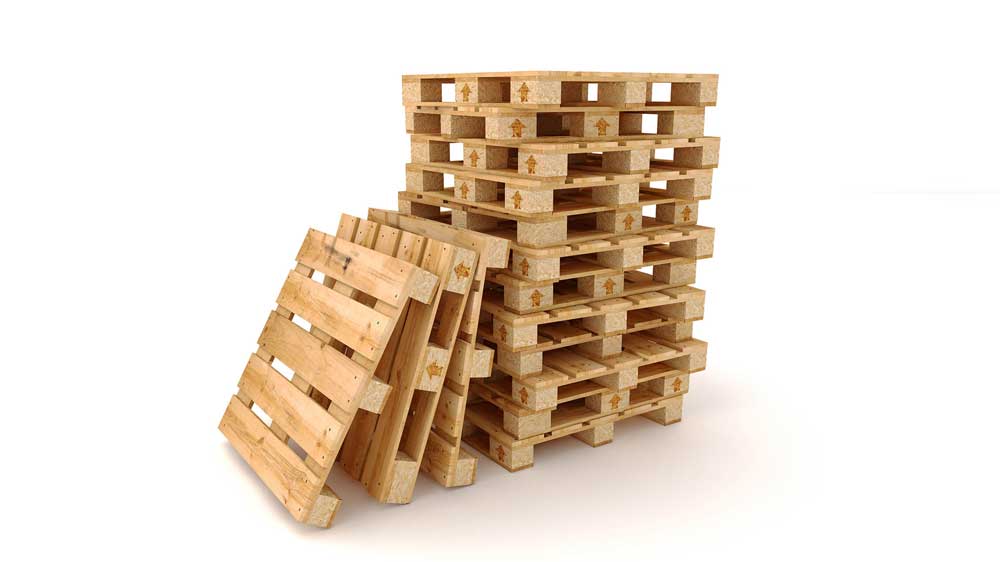
Wooden Pallets
- Standard Wooden Pallets (e.g., EPAL):
-
- Maximum Dynamic Load (moving): Approx. 1,500 kg
- Maximum Static Load (stacked): Approx. 4,000 kg
- Heavy-Duty Wooden Pallets:
-
- Can support over 2,000 kg in dynamic loads and up to 6,000 kg or more in static loads.
- Can support over 2,000 kg in dynamic loads and up to 6,000 kg or more in static loads.
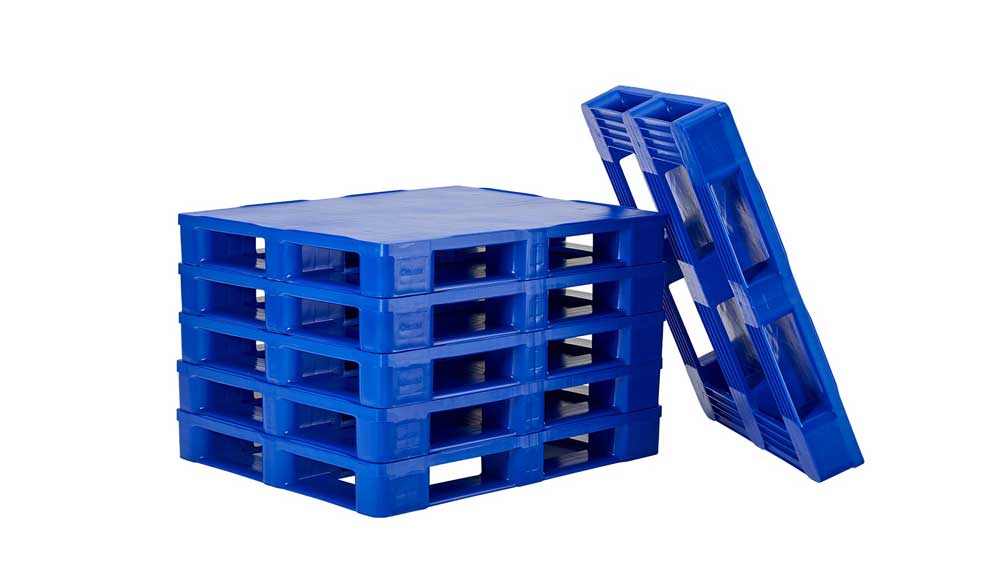
Plastic Pallets
- Lightweight Plastic Pallets:
-
- Dynamic load: Approx. 500–1,000 kg
- Static load: Approx. 2,000 kg
- Heavy-Duty Plastic Pallets:
-
- Dynamic load: Up to 1,500 kg
- Static load: Up to 5,000 kg
- Thermoplastic pallets generally have a higher load capacity than injection-molded plastic pallets.
Steel and Metal Pallets
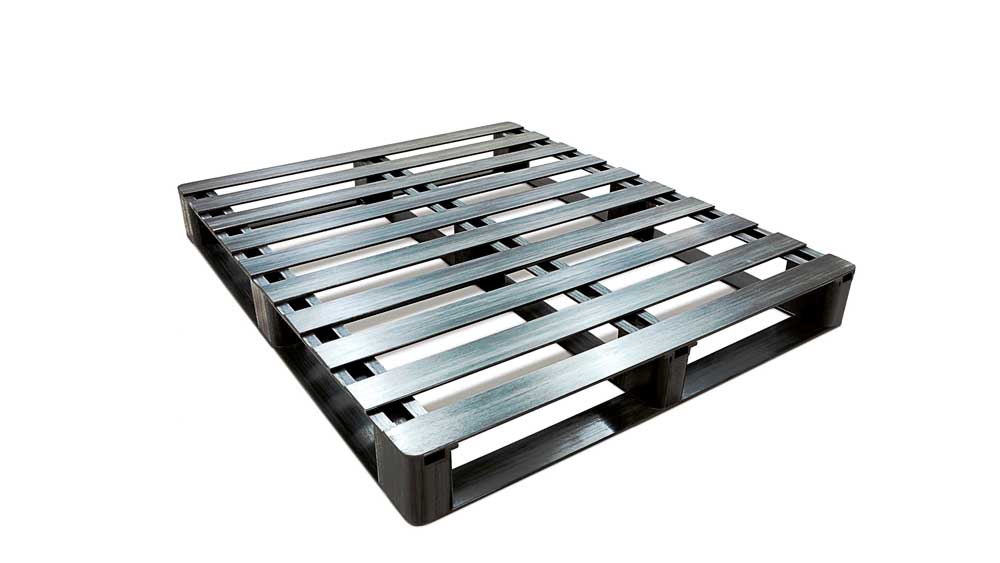
- Steel Pallets:
-
- Dynamic load: 2,000–3,000 kg
- Static load: Often exceeds 6,000 kg
- Specialized Industrial Metal Pallets:
-
- Can support loads exceeding 10,000 kg.
- Can support loads exceeding 10,000 kg.
Composite Material Pallets
- Made of fiberglass, resin, or similar materials:
-
- Dynamic load: Approx. 1,500–2,000 kg
- Static load: Approx. 5,000 kg
Safety Requirements for Stacking Pallets
When using pallets, understanding their load limits is not enough. It's equally important to follow safety requirements to ensure secure stacking. Below are best practices for pallet usage:
Pallet Stacking Height
- Height Restrictions: Comply with local regulations or industry standards; typically, stacking should not exceed 6 meters (or the safe operating height of manual or mechanical equipment).
- Stability Principles: Adjust stacking height based on the pallet’s load capacity and the weight distribution of goods. A high center of gravity increases the risk of tipping.
- Number of Layers: Ensure that the pressure on lower pallets does not lead to deformation or breakage.
Load Distribution
- Even Distribution: Distribute goods evenly to prevent localized stress points that can damage the pallet.
- Avoid Overhanging Loads: Ensure goods do not extend beyond pallet edges to minimize the risk of items sliding off.
- Secure Goods: Use strapping, stretch wrap, or anti-slip mats to stabilize goods and prevent shifting.
Ground Requirements
- Ground Conditions: The stacking area should be flat, solid, and free from obstructions.
- Load Support: The floor must be capable of supporting the combined weight of stacked pallets.
Mechanical Equipment Operation
- Use Appropriate Forklifts: Ensure forklifts match the load capacity and stacking height requirements.
- Avoid Collisions: Operate forklifts carefully to prevent impacts that might topple stacked pallets.
Anti-Tipping Measures
- Rack Storage: Use pallet stops or guards on racks to secure pallets and prevent sliding.
- Ground Stacking: Align stacks properly to avoid tilting.
- Install Safety Barriers: Place protective barriers around stacking areas to prevent accidental impacts.
Environmental Factors
- Humidity Control: In damp environments, use corrosion-resistant pallets (e.g., plastic or galvanized steel) to prevent slipping and structural damage.
- Temperature Limits: Extreme temperatures can reduce a pallet’s load capacity, especially plastic pallets, which are prone to warping in high heat.
Regular Inspections
- Pallet Condition: Periodically inspect pallets for damage, cracks, or other defects. Replace damaged pallets immediately.
- Load Stability: Regularly check stacked goods for stability and adjust as needed.
Training and Supervision
- Operator Training: Train warehouse staff on proper pallet stacking and forklift operation procedures.
- Safety Monitoring: Assign personnel to oversee safety in stacking areas and address potential hazards promptly.
Emergency Response
- Plan for Collapses: Establish a response plan for pallet collapses, including necessary safety equipment (e.g., fire extinguishers, first-aid kits).
- Restricted Areas: Mark hazardous zones and restrict unauthorized access.
Conclusion
Using pallets effectively is straightforward: choose quality-assured products, adhere to load limits, and follow safety protocols. By doing so, you can prevent potential problems before they arise.
If you have further questions or needs regarding pallets or industrial racking, feel free to contact us!