How Much Does It Cost To Build A Warehouse
How much does it cost to build a warehouse? I think you can hardly get an accurate answer through various articles. Because I don't know what kind of construction needs you have, as well as the price of labor and raw materials in your country, neither I nor anyone else can give you the most accurate amount through articles.
But what is the point of me writing this article if it is meaningless? So I'm going to use our years of experience dealing with warehouses all over the world to show you how to get better at building warehouses!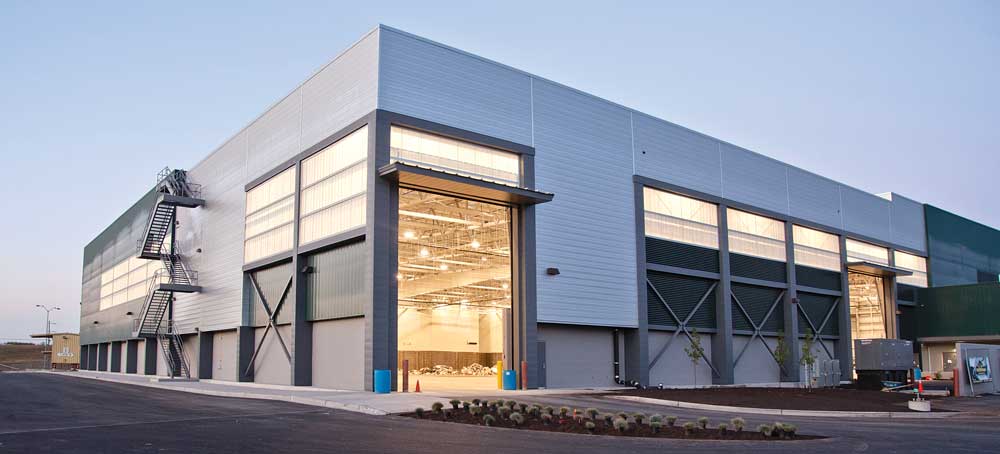
Basic Concepts and Process of Warehouse Construction
Warehouse Types and Functional Positioning
Warehouses designed for different purposes (such as logistics warehouses, cold storage warehouses, and sorting centers) vary significantly in design and cost:
- Logistics Warehouses: Typically require large spaces, high-load-bearing floors, and efficient racking and handling systems.
- Cold Storage Warehouses: Require additional insulation materials, refrigeration equipment, and specialized construction materials to ensure temperature control. Construction costs are usually 50%–100% higher than those of conventional warehouses.
- Sorting Centers: Focus on fast goods processing and may require automated sorting equipment, conveyor systems, and large loading/unloading areas.
Comprehensive Analysis of the Construction Process
The complete warehouse construction process generally includes the following stages:
- Planning Stage: Determining the warehouse location, purpose, and functional requirements.
- Design Stage: Designing the building structure, logistics flow, electrical systems, and drainage systems.
- Approval Stage: Obtaining building permits, environmental approvals, and fire safety reviews.
- Construction Stage: Includes foundation construction, framework erection, roof and wall installation, and internal facility setup.
- Inspection and Handover: Ensuring all structures and equipment meet standards before final acceptance.
Key milestones often depend on the approval process and construction complexity. For example, cold storage warehouses may require additional energy consumption reviews, while large logistics warehouses may require extended land preparation periods.
Regulations and Approval Requirements
Warehouse construction is subject to various regulations, including:
- Local Building Regulations: Define warehouse height limits, fire safety requirements, etc.
- Environmental Approvals: Cover wastewater treatment, energy usage, noise control, and more.
- Urban Planning Requirements: Some regions impose specific restrictions on industrial land use.
Approval times and costs vary significantly by region. For example, in the United States, approval times can range from a few weeks to several months, depending on the state.
Cost Composition and Area-Based Calculation
Estimating warehouse construction costs involves several key factors, including labor costs, material costs, equipment costs, indirect costs, and contractor profit and management fees. Below are the main cost components and estimation methods:
Major Cost Components
- Labor Costs: Include wages, benefits, and insurance for workers. Beyond hourly wages, factors such as worker productivity, weather conditions, and skill levels must be considered.
- Material Costs: Cover steel, concrete, flooring materials, lighting systems, etc. Market price fluctuations can significantly impact the overall budget.
- Equipment Costs: Include rental or purchase of construction equipment, as well as transportation and maintenance expenses.
- Indirect Costs: Cover building permits, site preparation, temporary facilities, and on-site management expenses.
- Profit and Management Fees: Contractors typically add a percentage of profit on top of the base costs.
Cost Estimation Methods
- Unit Cost Estimation: Breaking down the project into units and assigning a standard cost per unit, such as cost per square meter.
- Stick Estimation: Listing all potential costs item by item; this is the most accurate but also the most time-consuming method.
- Empirical Cost Inference: Using statistical data and regression models to estimate costs, suitable for large-scale projects.
Methods to Improve Estimation Accuracy
- Reviewing Subcontractor Quotes: Subcontractors may overlook certain work scopes, so comparing multiple quotes in detail is essential.
- Utilizing Automation and Cloud-Based Tools: 3D modeling and cloud estimation tools enhance accuracy and collaboration efficiency.
- Five-Level Estimation System: Dividing the estimation process into phases, from preliminary feasibility estimates to final bid estimates, gradually improving precision.
Regional Differences and Market Data Analysis
When analyzing regional differences in warehouse construction costs, various factors influence the overall expenses in different cities and regions.
Regional Cost Comparison
- Land Prices: In the U.S., land costs vary significantly by city. For example, major metropolitan areas like New York and San Francisco have much higher land prices than regions in the Midwest or the South.
- Labor Costs: Construction worker wages differ across states. For instance, labor costs in California and New York are significantly higher than in Mississippi or Arkansas.
- Building Material Prices: The cost of materials such as cement, steel, and lumber fluctuates due to supply chain factors and regional market conditions. In 2023, the Producer Price Index (PPI) for construction materials showed varying growth rates across different regions in the U.S.
- Local Regulations and Taxes: Some cities impose stricter environmental regulations on construction. For example, California’s energy-efficient building codes increase overall costs, whereas states like Texas have fewer regulatory requirements, leading to lower costs.
Market Trends and Statistical Data
- Construction Cost Index: Data from Q1 2024 indicates significant variations in industrial warehouse construction costs across U.S. cities. Costs are highest in cities like New York and San Francisco, while Atlanta and Dallas remain relatively lower.
- Material Price Fluctuations: U.S. construction material prices have experienced significant volatility since 2020. In 2023, prices for cement, sand, and other materials remained elevated.
- Labor Market Changes: Construction worker wages continued to rise in 2024, with some cities seeing a 5%–10% increase compared to 2023.
Construction Timeline and Time Cost Analysis
Breakdown of Construction Phases and Time Requirements
Warehouse construction typically consists of several phases, with duration varying based on scale, complexity, and approval processes:
-
Planning Phase (2–6 months)
This stage involves determining warehouse size, location, and layout design, as well as conducting feasibility studies. Factors such as environmental impact, land use, and energy efficiency must also be considered. - Approval Phase (2–12 months)
This includes obtaining building permits, fire safety approvals, and environmental assessments. The duration depends on local government efficiency, with some regions requiring up to a year or more for approvals. - Construction Phase (6–18 months)
Factors such as material availability, weather conditions, and workforce capacity influence the construction timeline. Steel-structured warehouses are typically completed within 6–12 months, while concrete-structured warehouses may take longer. - Inspection and Handover Phase (1–3 months)
This stage includes structural inspections, safety assessments, and equipment installation and testing to ensure compliance with regulations and operational requirements.
Typical Construction Time Frames
- Small warehouses (<5,000 sqm): Generally completed within 6–12 months, including approval and construction.
- Medium warehouses (5,000–20,000 sqm): Typically take 12–18 months.
- Large warehouses (>20,000 sqm): May require 18–36 months, especially if automation or customized features are involved.
For example, in the U.S., a standard steel-structured warehouse can be completed in 9–12 months, whereas a highly customized automated warehouse may take 2–3 years.
Potential Delays and Risk Assessment
- Approval delays: Changes in regulations or bottlenecks in zoning, fire safety, or environmental permits.
- Material supply issues: Shortages of steel, concrete, or specialized equipment may delay construction.
- Labor shortages: Peak seasons or unforeseen circumstances (e.g., pandemics) can reduce workforce availability.
- Weather conditions: Severe weather events, such as heavy rain, snowstorms, or hurricanes, may disrupt construction schedules.
- Design changes: Modifications during construction may require re-approvals and adjustments to the project plan.
Time Management and Cost Implications
- Longer timelines increase costs: Extended construction periods lead to higher expenses for equipment rentals, labor wages, and loan interest.
- Delays may cause operational losses: If a warehouse is not operational on time, businesses may lose orders or face supply chain disruptions.
- Accelerated schedules can raise costs: Speeding up construction may require overtime wages or premium-priced fast-installation materials.
Strategies and Optimization Recommendations for Cost Reduction
Reducing warehouse construction costs requires strategic planning, supply chain efficiency, construction management, and technology integration. Below are key recommendations:
Pre-Planning and Risk Control Strategies
- Accurate Budgeting and Detailed Planning: Establish a detailed budget and timeline before starting the project, estimating costs for materials, labor, machinery, and permits. For example, in Texas, design fees typically account for 1%–15% of total costs, while building permits and legal fees range from 0.5%–2.5%.
- Risk Assessment and Mitigation: Identify potential risks such as material price fluctuations, labor shortages, and construction delays. Strategies like long-term procurement contracts or alternative material selection can help control these risks.
Supply Chain Optimization and Material Procurement Strategies
- Bulk Purchasing and Supplier Management: Buying materials in bulk reduces costs and minimizes the impact of price volatility.
- Localized Procurement: Sourcing materials locally lowers transportation costs, especially for high-volume materials like steel and concrete. In Texas, material costs account for 17.5%–25% of total construction expenses.
- Alternative Material Selection: Opt for cost-effective materials such as precast concrete or lightweight steel structures to reduce costs and improve construction efficiency.
Efficient Construction Management and Technology Applications
- Project Management Tools: Implement BIM (Building Information Modeling) or specialized construction management software to enhance team collaboration, minimize rework, and reduce waste.
- Smart Monitoring Systems: Use drones, sensors, or AI-powered monitoring tools to track construction progress, detect issues early, and adjust plans to stay on budget and schedule.
- Optimized Construction Processes: Adopt Lean Construction methods to minimize resource waste, such as optimizing logistics and reducing unnecessary material handling.
- Resource Scheduling Optimization: Efficiently allocate workers, equipment, and materials to prevent downtime or redundant work, improving overall efficiency.
Conclusion
In conclusion I think you've read through this post and I think you'll have a clearer idea of what it takes to build a warehouse. If you need warehouse storage equipment for your future new warehouse, you are also welcome to find us! With over twenty years of professional warehouse racking manufacturing, sales and customization experience, we will definitely give you the most satisfactory solution!