How To Increase Storage Capacity In Warehouse
Most people buy or rent warehouses based on their existing storage needs, but there are also some people who buy or rent larger warehouses specifically for future growth in storage needs. However, at a later stage we may all encounter times when we feel that the warehouse is too small to meet our storage needs.
Buying/building a new warehouse is obviously not the most cost-effective way, so what is the best way to optimize the existing storage space in a limited space?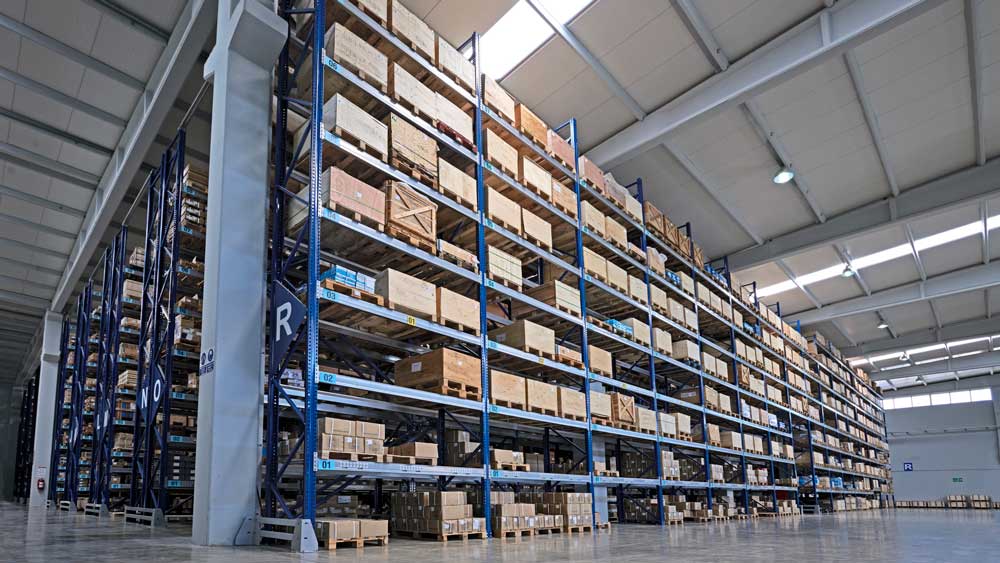
Effective Ways to Increase Current Warehouse Storage Capacity
There are many ways to increase warehouse storage capacity, but I will focus on three methods that apply to most warehouses.
Utilize Vertical Space
- Use Taller Shelves: If the warehouse height allows, high-rise shelving (such as heavy-duty pallet racking) can be used to maximize space.
- Add Mezzanine Levels: If the ceiling height is sufficient, steel or wood mezzanine levels can be installed to create additional storage layers inside the warehouse.
- Use Stacking Machines or High-Level Forklifts: If the shelves are higher, forklifts or lifting equipment capable of operating on elevated racks are needed.
Improve Space Utilization
- Choose the Right Type of Shelving:
-
- Very Narrow Aisle (VNA): Reduces aisle width to increase storage density.
- Drive-In Shelving: Suitable for large volumes of goods with few SKUs (types), increasing storage density.
- Gravity Flow Shelves: Utilizes gravity to move goods forward automatically, reducing manual intervention and improving space utilization.
- Reduce Unnecessary Aisle Space: By designing the shelving layout rationally, reduce excessively wide aisles and increase storage areas.
Optimize Storage Methods
- Stacking Goods: For items that can tolerate pressure, stacking racks or pallet stacking can reduce floor space usage.
- Switch to Proper Storage Containers: If the goods on the shelves are not fully packed, consider using smaller bins or more compact storage systems (such as automated vertical storage).
- Use Smart Warehouse Management Systems (WMS): A WMS can analyze storage locations and optimize the arrangement of items, reducing wasted space.
So, if your warehouse has sufficient height, make use of the vertical space. If the shelving layout is inefficient, improve space utilization. If the shelves are not compact enough, optimize the storage methods.
Considerations Before Increasing Warehouse Storage Capacity
Warehouse Structure and Load-Bearing Capacity
- Floor Load Capacity: If installing high-rise racks or mezzanines, ensure the floor can support the additional weight, especially in older warehouses or those with lightweight flooring.
- Building Height Restrictions: Measure the warehouse’s usable clear height (from the floor to obstructions like fire sprinklers and beams).
- Rack Stability: High-rise racks must be securely anchored to the floor or walls to prevent tipping risks.
Material Flow and Operational Layout
- Aisle Width: Very Narrow Aisle (VNA) racking saves space but requires specialized forklifts; standard forklifts need aisles wider than 3 meters.
- Inbound and Outbound Frequency: If goods turnover is high, blindly increasing storage volume may reduce picking efficiency.
- Equipment Compatibility: High racks require high-reach forklifts, and dense storage systems may need shuttle carts or other specialized equipment.
Storage Requirements
- Goods Size and Shape: If items vary in size, select adjustable shelving or cantilever racks for long items.
- Weight Distribution: Store heavier goods on lower levels and lighter goods on upper levels to prevent top-heavy instability.
- Special Storage Needs: Cold storage racks and hazardous material storage must comply with safety regulations.
Fire Safety and Regulatory Compliance
- Sprinkler Clearance: High-density or tall racks may obstruct fire sprinklers, requiring in-rack sprinkler systems.
- Emergency Exit Paths: Storage expansion must not block evacuation routes.
- Regulatory Compliance: Different countries/regions have specific rules on high-rise racks and fire resistance ratings—ensure adherence to local safety standards.
Cost and ROI Analysis
- Renovation Costs: Consider expenses for racks, forklifts, labor, and fire system upgrades, and evaluate the return on investment (ROI).
- Operational Costs: High-density storage can reduce picking efficiency, so balance storage volume with workflow optimization.
- Future Scalability: Plan for future growth to avoid frequent modifications in the short term.
Conclusion
Increasing warehouse storage capacity is a very rigorous process that requires careful measurement and planning, so our content can only provide you with advice, the actual operation we still hope you can have a professional to carry out.
If you are looking for a professional racking team, you are very welcome to find us, our more than 20 years of operational experience can surely provide you with the best solution.