How To Optimize Warehouse Shelves
Why is warehouse racking optimization important? Because optimizing warehouse racking is a very effective way to expand your warehouse storage when your storage capacity is limited. And it can also give you the advantage of increased storage efficiency, reduced operating costs, and improved security.
But warehouse racking optimization also faces many challenges, which can be troublesome for first-time users. So we'll talk to you this time about how to go about the matter of warehouse rack optimization!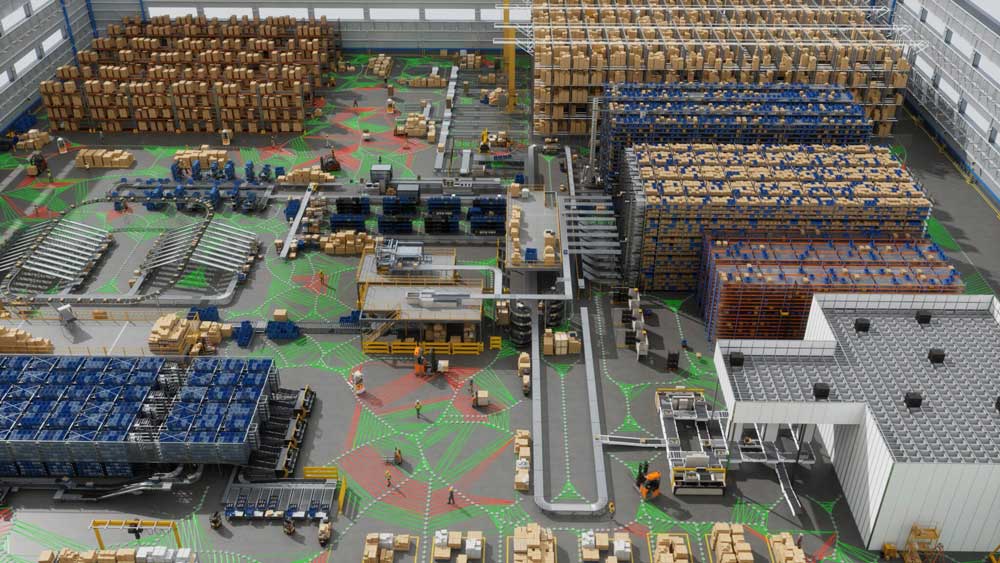
How to Choose the Right Type of Warehouse Racking
Choosing the right type of warehouse racking is the first step in optimizing your storage system. To make the best decision, consider the following key factors:
Your Storage Needs
First, determine the type of goods you need to store, such as:
- Heavy-duty items (e.g., palletized goods): Choose Selective Racking or Heavy-Duty Racks.
- Small items (e.g., parts, tools): Choose Shelving Racks.
- Large quantities of a few SKUs (e.g., food, beverages): Choose Drive-in Racks or Gravity Flow Racks.
- FIFO (First In, First Out) management required (e.g., perishable food, pharmaceuticals): Choose Live Racking.
Your Warehouse Space
- Ceiling height: If your warehouse has high ceilings, consider High-Rise Racks to maximize storage capacity.
- Aisle width: If space is limited, VNA (Very Narrow Aisle) Racks can help save aisle space.
- Floor load capacity: If the floor has weight limitations, avoid extra heavy-duty racks.
Forklift and Manual Handling
- If your warehouse relies mainly on manual picking, small shelving racks are more suitable.
- If you use forklifts, choose racking that is compatible with forklift operations, such as beam racks or drive-in racks.
Budget and Flexibility
- Limited budget? Beam racking offers high cost-effectiveness and suits most warehouses.
- Need flexibility? Choose adjustable racks that allow you to modify shelf heights or reconfigure the layout as needed.
Comparison of Different Racking Systems
After understanding how to choose the right type of racking, let's explore some common racking systems and determine which one suits your needs.
How to Choose the Right Racking System?
Need high storage density? → Drive-in, Gravity Flow, or Shuttle Racking
Require direct access to goods? → Selective, VNA, or Mobile Racking
FIFO storage required? → Gravity Flow or Shuttle Racking
Limited space? → VNA or Mezzanine Racking
Budget constraints? → Selective Racking (most cost-effective option)
Optimizing Warehouse Racking Layout
Step 1: Understand the Warehouse Basics
Before optimizing, analyze the current warehouse conditions, including:
- Warehouse dimensions (length, width, height)
- Racking types (Are they suitable for current storage needs?)
- Aisle width (Does it affect forklift or personnel movement?)
- Storage requirements (What types of goods are stored? Which items have high demand?)
Step 2: Optimize Racking Layout
1. Choose the Right Racking Arrangement
The way racks are arranged affects space utilization and picking efficiency. Common layout types include:
- Straight-line layout: Racks are arranged in parallel rows, suitable for standard pallet storage. Clear forklift paths improve movement efficiency.
- Fishbone layout: Racks are placed at a 45° angle, enhancing forklift maneuverability but slightly reducing space efficiency.
- U-shaped layout: Warehouse entry and exit are on the same side, ideal for small to medium warehouses. Clear material flow, but potential congestion at entry/exit.
- L-shaped layout: Entry and exit are on adjacent sides, suitable for large warehouses. Helps distribute traffic flow but requires strategic storage planning.
For maximum storage density, use a straight-line layout.
For high inbound/outbound flow, consider a fishbone or U-shaped layout.
2. Set Proper Aisle Width
Aisle width impacts operational efficiency—too narrow restricts movement, too wide wastes storage space.
- For manual picking: Aisles should be 0.9–1.2 meters wide.
- For standard forklifts: Aisles should be 2.5–3.5 meters wide.
- For very narrow aisle (VNA) forklifts: Aisles can be reduced to 1.5–1.8 meters, improving storage density.
If warehouse space is limited, use VNA racks to reduce aisle space and increase storage capacity.
3. Plan Storage Zones Efficiently
Proper item placement reduces picking time and improves workflow efficiency.
- High-turnover goods (A-class items) → Store at the front of the warehouse or near exit points to minimize travel time.
- Medium-turnover goods (B-class items) → Store in middle sections to balance storage and retrieval efficiency.
- Low-turnover goods (C-class items) → Store far from exits or on higher shelves to save prime storage space.
If the warehouse has a high outbound frequency, consider zoned storage, such as:
- Fast turnover zone → Near the shipping dock for A-class goods.
- Slow turnover zone → At the back for C-class goods.
- Special storage zone → For refrigerated goods, hazardous materials, or other special items.
Step 3: Optimize Picking & Replenishment Processes
To improve picking efficiency, implement the following strategies:
- Use Z-shaped or S-shaped picking routes to minimize walking distance.
- Store high-demand SKUs at the start of picking routes to speed up retrieval.
- Utilize gravity flow racks or automated shuttle racks to reduce manual handling.
- Place high-turnover items on lower shelves to make picking faster and easier.
Step 4: Implement a Smart Warehouse Management System (Optional)
For large warehouses, a Warehouse Management System (WMS) can:
- Track storage locations and optimize warehouse layout.
- Plan replenishment schedules to prevent stockouts or overstocking.
- Calculate the most efficient picking routes to improve workflow efficiency.
By following these steps, you can maximize storage space, improve efficiency, and enhance warehouse operations.
Safety and Maintenance
Safety Optimization
1. Selecting Stable and Reliable Racks
- Purchase racks that meet industry standards (e.g., ISO, RMI, FEM).
- Ensure racks are made of sturdy materials, such as cold-rolled steel or hot-dip galvanized steel, suitable for different storage environments.
- For high racks, consider seismic-resistant designs to prevent collapse due to earthquakes or impacts.
2. Controlling Rack Load to Prevent Overloading
- Racks must have clear load capacity labels to prevent workers from exceeding weight limits.
- Standardized pallet management should be implemented to ensure each pallet meets the rack’s size and weight requirements.
- Store goods with uniform distribution to prevent weight imbalance that could cause racks to tilt.
3. Ensuring Rack Stability
- Install floor anchors, such as expansion bolts, to prevent racks from tipping over.
- Add rack guards to minimize damage from forklift collisions.
- Use back mesh or barriers to prevent goods from falling and causing injuries.
4. Ensuring Personnel and Equipment Safety
- Establish clear safety aisles to keep escape routes unobstructed.
- Install protective barriers in key areas to safeguard forklift pathways and pedestrian zones.
- Provide safety training to employees on proper rack operation, such as stacking height limits and safe forklift usage.
Routine Maintenance and Inspection
1. Implementing a Regular Inspection System
Warehouses should follow a “daily minor inspection, monthly major inspection, and annual safety assessment” strategy.
Daily Inspections (Performed by employees):
- Check for visible rack deformation, looseness, or displacement.
- Ensure goods are stored properly and within safety boundaries.
- Inspect forklifts for collision marks that might affect rack stability.
Monthly Inspections (Performed by warehouse supervisors or safety officers):
- Check if connection bolts are loose and if uprights are leaning.
- Inspect beams for cracks or bending.
- Verify that rack loads comply with safety regulations.
Annual Inspections (Performed by professionals):
- Assess whether the rack structure is aging or rusting.
- Check for loose or damaged floor anchors.
- Determine if damaged rack components need replacement.
2. Recording and Tracking Maintenance
- Establish rack maintenance records to document inspections, repairs, and part replacements.
- Mark damaged racks for immediate repair or replacement to prevent accidents.
- Analyze forklift impact records to identify high-collision areas and optimize protective measures.
Optimizing Safety Management
1. Installing Safety Warning Signs
- Load Capacity Labels: Clearly indicate maximum load capacity on each rack to prevent overloading.
- Aisle Warning Signs: Alert forklift operators to drive cautiously and avoid collisions.
- Emergency Exit Signs: Ensure all pathways remain clear and mark evacuation routes.
2. Training Employees on Safety Awareness
- Rack Operation Training: Educate employees on proper loading and unloading techniques to prevent imbalance and collapse.
- Forklift Safety Training: Ensure forklift drivers follow standard operating procedures to prevent rack collisions.
- Emergency Response Training: Develop contingency plans for fires, earthquakes, or rack collapses and conduct regular drills.
Testing and Continuous Optimization
Methods for Testing Warehouse Rack Optimization
1. Load Capacity and Safety Testing
- Regularly conduct rack load tests to ensure they can withstand the designed weight capacity, preventing deformation or damage due to overloading.
- Perform stability tests, such as simulating vibrations or impacts, to check the firmness of rack connectors (e.g., bolts, clips) and prevent safety hazards caused by looseness.
2. Rack Layout Testing
- Use Warehouse Management Systems (WMS) or 3D modeling tools to simulate material flow under different layouts and compare the pros and cons of various configurations.
- Conduct localized trials to verify whether a new layout improves picking efficiency.
- Test the impact of different aisle widths on forklift turning and operations, ensuring they maximize space utilization while maintaining smooth traffic flow.
3. Picking and Storage Efficiency Testing
- Compare different rack types in terms of storage density and retrieval speed to identify the most suitable system for actual needs.
- Analyze pickers' operational routes and test optimized paths (e.g., Z-shaped or S-shaped routes) to reduce unnecessary movement and enhance efficiency.
Strategies for Continuous Optimization
1. Data-Driven Optimization
- Regularly analyze key warehouse performance indicators (KPIs), such as order processing time, inventory turnover rate, rack utilization, and forklift accident rate, to identify efficiency bottlenecks.
- Use WMS and other systems to continuously track material flow data, adjusting rack layouts and product placements based on insights to optimize picking paths and replenishment frequencies.
2. On-Site Feedback and Continuous Improvement
- Establish an employee feedback mechanism to encourage pickers and warehouse managers to report operational challenges and suggest improvements.
- Hold regular on-site meetings or safety assessments to discuss and confirm necessary enhancements.
- Set up test areas within the warehouse to trial new layouts or storage methods on a small scale before full implementation.
3. Implementing Smart Technology for Optimization
- Install rack sensors and monitoring devices to track real-time rack conditions, such as overloading or tilting, and issue timely alerts.
- Use AI-powered cameras to analyze warehouse material flow and peak operation times, further refining rack placement strategies.
- Consider deploying Automated Guided Vehicles (AGVs) or robotic picking systems to reduce manual handling and improve overall operational efficiency.
Summary of Optimization Process
- Data Collection and Analysis: Gather warehouse operation data and picking path information using WMS and on-site observations.
- Small-Scale Testing: Implement new rack layouts or storage methods in specific areas and monitor their effectiveness.
- Feedback and Adjustments: Refine layouts and workflows based on employee feedback and data analysis.
- Continuous Monitoring and Iteration: Regularly assess overall warehouse performance and make dynamic adjustments based on market demands and operational changes.
Conclusion
After you understand some important points of shelf optimization, I believe you will be more comfortable in practice. Finally, we also hope that our content can help you, if you have more questions or needs for warehouse shelves, you are also welcome to contact us!