How to Organize a Storage Unit?
Before we dive into how to organize a storage unit, we need to clarify one crucial point: why is organizing your storage unit so important?
A messy storage unit is a real headache. Not only does it fail to make the most of the storage space you're renting or have bought, but it also ramps up safety risks within the warehouse. Sometimes, damaged goods aren't the biggest problem; it's when staff members have accidents while working that things get truly frightening.
So, let's get back to the core topic of this article: how to organize a storage unit. We're about to explain, in plain and simple terms, how to transform a chaotic storage unit into an organized one. This will make your storage unit easy to navigate, maximize your warehouse space, and could even save you a good chunk of money on rent.
Preparation Before Organizing
Decluttering
Often, people rent larger storage units than they actually need, or they fill them with items they don't really use, simply because they haven't properly decluttered.
When you're decluttering, it helps to set some criteria for yourself. For example, can you consider getting rid of dormant inventory, soon-to-expire goods, or scrapped items?
Thorough Classification
Generally, our company warehouses have a more systematic and professional classification approach. This typically involves a detailed categorization based on the ABC classification method (A-class: fast-moving, high-value; B-class: medium; C-class: slow-moving, low-value), by product type, size, temperature/humidity requirements, and hazardous material level. We then plan for corresponding fixed or random storage locations.
Advance Planning
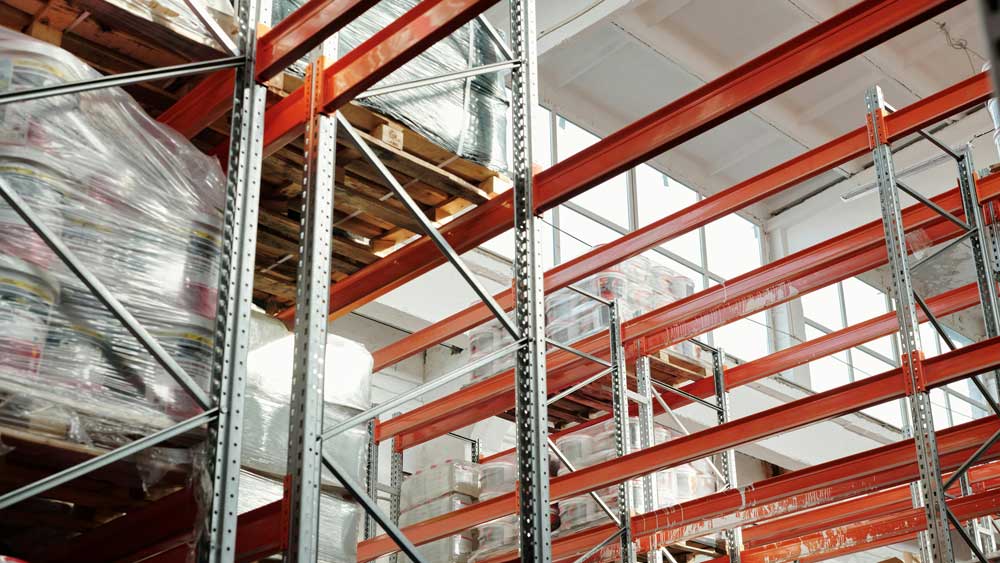
This is particularly critical in our corporate warehouses. We need to consider the inbound and outbound flow, picking paths, combinations of various racking systems (like pallet racking, mezzanine racking, cantilever racking, etc.), aisle widths, fire exits, and equipment operating space. The goal is to achieve maximum efficiency and storage capacity.
Professional Packing Techniques - Ensuring Item Safety and Efficiency
Selecting the Right Professional Packaging Materials: Balancing Efficiency and Protection
In a corporate warehouse, the choice of packaging materials isn't just about protecting items; it's also about storage efficiency and cost-effectiveness.
Emphasizing Shelf Compatibility: Standardized Dimensions Are Key
This point is absolutely crucial! The most essential equipment in a corporate warehouse is the racking system. Using standard-sized totes or pallets maximizes shelf space and minimizes waste. This applies not only to length and width but also to the stacked height, ensuring compatibility with rack beam levels.
Professional Tip: When procuring packaging materials, determine standard box specifications by considering your warehouse's existing or planned racking dimensions (e.g., beam length, depth, shelf height). Prioritize stackable, strong-bearing packaging boxes that can be easily placed on shelves or securely stacked on the floor or in temporary staging areas.
The Clever Use of Transparent Storage Bins: Boosting Visibility and Moisture Resistance
You mentioned transparent storage bins, and in certain specific scenarios, they are indeed a "godsend" for corporate warehouses.
Applicable Scenarios: They're ideal for storing small, varied items that require quick identification (e.g., electronic components, fasteners, tool accessories, high-value small product samples). The transparent material allows warehouse staff to quickly identify contents, reducing time spent opening boxes to search.
Moisture-Proof Advantage: High-quality plastic storage bins usually have better sealing, effectively resisting moisture and dust to protect internal items.
Professional Tip: While transparent bins are convenient, their weight-bearing capacity and impact resistance might not match corrugated boxes or certain specialized totes. Therefore, they are mainly used for lightweight items requiring high visibility. For heavy items or those needing long-term, high-intensity stacking, sturdier packaging should still be chosen.
Protecting Special Items: Meticulous Management and Specialized Protection
For high-value, fragile, or uniquely stored items in a corporate warehouse (such as precision instruments, electronics, valuable artwork, sensitive electronic products, large machinery parts, etc.), meticulous packing is a must.
General Methods:
- Dust/Moisture Protection: Use dust covers, vacuum bags, and desiccants (especially in humid environments or for long-term storage).
- Shock/Cushioning: Bubble wrap, EPE foam, foam inserts, and custom foam molds are common choices to ensure items are secure and don't shift within the packaging.
- Anti-Static: For electronic products, always use anti-static bags and anti-static fillers.
- Rust Prevention: For metal components, consider using anti-rust paper or VCI (Volatile Corrosion Inhibitor) film.
- Large/Irregular Items: These may require custom wooden crates, steel pallets, or frames. Ensure these custom packages have adequate lifting points or forklift access for easy handling.
Professional Tip: For such special items, it's best to assess their transport and storage risks before packing and select corresponding protective measures based on the risk level. Sometimes, investing in high-cost professional packaging is worthwhile to prevent greater losses.
Ultimate Labeling System: Information's "ID Card" and "Navigator"
An efficient corporate warehouse's core is the smooth flow of information. Your "ultimate labeling system" and "digital inventory" serve precisely this purpose.
Multi-Dimensional Labels: Making Information Clear at a Glance
Your approach is very comprehensive; labels are not just for content identification but also for operational instructions and status management:
- Basic Information: SKU code, item name, quantity, batch number/expiration date, inbound date.
- Operational Instructions: "Fragile," "This Side Up," "Handle with Care," "Refrigerate/Freeze" – graphic or text warnings.
- Status Information: "Pending Inspection," "Qualified," "Scrapped," "Special Release" – can use different colored labels or stamps.
- Frequent/Infrequent Use: Can use color coding or specific symbols to distinguish item turnover rate, guiding storage location strategy (frequently used items closer, infrequently used farther).
- Professional Tip: Label materials should be durable, stain-resistant, and tear-resistant, able to withstand warehouse environments. For items stored outdoors or in cold storage, labels must also be waterproof and low-temperature resistant. Consider using barcodes or QR codes for quick identification and entry into a WMS (Warehouse Management System) via scanning guns.
Digital Inventory: The Warehouse's "Brain" and "Search Engine"
This is an indispensable part of modern corporate warehouse management.
Functional Advantages:
- Quick Search: Instantly locate items via keyword search, eliminating "needle in a haystack" situations.
- Real-time Updates: Synchronous updates during inbound and outbound operations ensure accurate inventory data.
- Visual Management: Combined with a warehouse layout map, you can directly see item storage locations in the system.
- Inventory Efficiency: Greatly simplifies the inventory process and reduces human error.
- Traceability: Records the item's complete lifecycle, facilitating quality tracing and problem resolution.
Implementation Methods:
- Electronic Spreadsheets (Excel): Suitable for small or nascent warehouses, serving as a basic management tool.
- Professional Warehouse Management System (WMS): For medium to large enterprises, WMS is central. It enables automated management of inbound, outbound, transfers, inventory, stock alerts, and location optimization.
- Mobile Apps/Handheld Terminals: Combined with a WMS or custom applications, various operations can be completed via scanning, improving on-site efficiency.
- Photo Records: As an auxiliary method, attaching QR codes on labels that link to item photos or detailed box contents is especially useful for complex items or disputed inbound situations.
- Professional Tip: When designing your digital inventory or WMS, ensure standardized data entry and integration with other enterprise systems (like ERP, procurement, sales) to facilitate information sharing and avoid data silos.
Core Considerations for Storage Unit Layout: Racking Systems
I'm not sure if your warehouse currently has racking, but if it doesn't, I highly recommend installing some. Below, I'll explain just how crucial racking is when it comes to "how to organize a storage unit."
Maximizing Vertical Space Utilization: From Flat to Three-Dimensional
This is the most significant advantage of racking in a corporate warehouse. Without shelves, your items can only be stacked on the floor, taking up a lot of valuable floor space. Racking, however, fully utilizes the storage unit's vertical space, increasing storage capacity several fold—an unparalleled benefit compared to any other organization method.
Enhancing Item Safety: Moving Away from Ground-Level Risks
Placing items on racks effectively mitigates various risks that can arise from ground-level environments:
- Moisture and Dust Protection: Floors are often more prone to dampness and dust accumulation. Racks lift items off the ground, significantly reducing damage from moisture, mold, and dust, especially crucial for carton-packed goods or items sensitive to environmental conditions.
- Pest and Rodent Control: Items elevated from the ground are less likely to become hiding spots or food sources for insects and rodents, effectively lowering the risk of goods being gnawed or contaminated.
- Preventing Cross-Contamination: For different batches or types of goods, racking provides clear separation, preventing mutual contamination.
Convenient Access and Clear Visibility
Another core value of racking lies in improving access efficiency and visual management:
- Reducing Digging Through Piles: Once items are classified and placed in fixed positions on racks, combined with a clear labeling system (as we discussed previously), quick location becomes possible. Warehouse staff no longer need to sift through mountains of goods to find what they need, significantly saving time on picking and inbound operations.
- Inventory Visualization: All items are neatly arranged on racks, providing a clear overview of inventory status. This aids in daily stock-taking and inventory checks, improving the accuracy of inventory data.
Load-Bearing Capacity and Stability: Safety as the Foundation
In a corporate warehouse, the load-bearing capacity and structural stability of racking are paramount, directly relating to the safety of personnel and goods.
Key Selection Criteria:
- Understand the Load: You must select racking with an appropriate load-bearing capacity based on the maximum single pallet/single layer weight of your goods (including packaging). Never overload!
- Structural Material: High-quality steel and excellent welding processes are the foundation of robust racking.
- Manufacturer Certification: Choose qualified racking manufacturers with a good reputation; their products typically comply with industry standards and safety regulations.
Correct Installation and Use:
- Professional Installation: Racking must be installed by professionals according to the instructions, ensuring vertical uprights, horizontal beams, and secure connections.
- Anchoring Measures: Heavy-duty racking must be anchored to the floor to prevent tipping. In earthquake-prone areas, additional seismic reinforcement may be required.
- Regular Inspection: Periodically check racking for deformation, looseness, rust, or damage, paying particular attention to uprights and beams that have been struck by forklifts. If problems are found, repair or replace immediately; never operate damaged racking.
- Operational Standards: Train forklift operators and warehouse staff on correct operation, avoiding rough handling that could impact the racking.
Scientific Layout Principles: The Art of Efficiency and Safety
Once your racking is chosen, how you arrange it is an art form that determines your warehouse's efficiency and safety.
1. "Heavy on Bottom, Light on Top" Principle: Balancing Stability and Efficiency
- Specific Implementation: Place the heaviest, least frequently accessed, or most structurally robust items on the bottom or lowest levels of the racking. This not only lowers the center of gravity, ensuring overall racking stability, but also reduces the risks associated with high-level operations and facilitates direct forklift access for heavy items.
- Strategic Application: For long-term storage or goods with extremely low turnover, these can also be placed in deeper or higher, less frequently used areas of the racking.
2. "Frequently Used Up Front" Principle: Shortening Picking Paths
- Specific Implementation: Place the highest turnover items (A-class items) and most frequently accessed goods on the racking levels closest to aisles, picking areas, or the storage unit entrance (typically at the most easily accessible middle height of the rack).
- Benefit Realization: This significantly shortens the travel distance and time for pickers, improving picking efficiency and reducing labor costs.
3. Creating Clear Aisles: The "Lifeline" of Logistics
Aisles in a warehouse are like a road network; their design directly impacts logistics efficiency and safety.
Importance:
Wide, clear aisles are essential for the safe and efficient movement of forklifts, pallet jacks, and personnel. Cluttered aisles not only affect efficiency but also increase the risk of collisions and accidents.
Optimization Methods:
- Determine Width by Equipment: Strictly determine aisle width based on the minimum turning radius and safe operating space of the forklifts or material handling equipment used in your warehouse. Never sacrifice aisle space to fit a few more rows of racking.
- Clear Main and Secondary Aisles: Plan clear main aisles (wide, connecting primary inbound/outbound points and work areas) and secondary aisles (narrower passages between racks).
- Avoid Crossings: Design one-way logistics flows as much as possible to reduce forklift or personnel crossings and congestion in aisles.
4. Reserving Ventilation Space: Protecting Goods and Environment
Even with racking, it's advisable to leave a small amount of space between items and rack edges, and between racks and walls:
- Moisture and Mold Prevention: Ensures air circulation, helping to dissipate moisture and further prevent goods from dampness and mold.
- Fire Safety: Leaving some gaps helps the fire sprinkler system to cover effectively or provides a buffer for the spread of fire walls.
- Convenient Access: A slight gap also facilitates forklift and manual operation, preventing scratches and damage to goods.
5. Making Good Use of Corner Space: Unlocking Every Inch of Potential
Corner spaces are often overlooked or wasted.
Ways to Utilize:
- Custom Racking: Consider using L-shaped racking or small corner shelves to fit irregular corners.
- Storing Low-Frequency Items: Corners can be used to store large, irregularly shaped, but extremely low-turnover items, or as storage areas for idle equipment and cleaning tools.
- Safety Considerations: When utilizing corners, ensure they do not obstruct fire equipment, emergency exits, or create blind spots.
Maintenance and Long-Term Management
Regular Inspection and Maintenance of Racking and Equipment: The Warehouse's "Health Check"
Your racking and material handling equipment are the "bones" and "muscles" of your warehouse; they must be kept in excellent condition.
Regular Inspections: Develop a detailed inspection schedule, for example, monthly, quarterly, and annually. Inspection content should include:
- Racking Structure: Check uprights and beams for deformation, bending, cracks, or damage. Pay special attention to areas impacted by forklifts.
- Connection Components: Check bolts and pins for looseness, absence, or rust.
- Anchor Bolts: Verify that the racking is stable and that anchor bolts are secure, with no looseness or corrosion.
- Collision Protection: Check if column guards and guardrails are intact and if any need replacement.
- Floor Condition: Inspect the floor for cracks or potholes, as these can affect forklift operation and racking stability.
- Timely Repair and Replacement: As soon as any damage or safety hazard is identified, immediately stop using the affected area and arrange for professional repair or replacement. Never operate damaged equipment; this could lead to serious safety incidents.
- Equipment Maintenance: Material handling equipment (forklifts, pallet jacks, etc.) also requires regular maintenance according to the manufacturer's instructions to ensure stable performance and safe operation. For example, forklift batteries, tires, and hydraulic systems all need regular inspection and maintenance.
Cleaning and Environmental Control: Creating a Healthy Storage Environment
A clean and tidy warehouse not only boosts work efficiency but also protects your goods.
- Daily Cleaning: Establish a daily cleaning SOP (Standard Operating Procedure), including floor sweeping, trash removal, and rack dusting. Keep aisles clear and free of debris accumulation.
- Professional Cleaning: Conduct deep cleaning periodically, especially for areas prone to dust or with specific hygiene requirements.
- Temperature and Humidity Control: If your goods have specific temperature and humidity requirements, ensure monitoring equipment is functioning correctly and adjust control strategies based on seasonal changes or external environments.
- Moisture, Pest, and Rodent Control: Continuously monitor the effectiveness of your warehouse's moisture, pest, and rodent control measures. For instance, check door and window seals, periodically deploy rodent bait or traps, and use insect traps.
Inventory Management and Optimization: Making Data "Come Alive"
Efficient inventory management is the core of long-term warehouse operations.
- Regular Stock-Taking: Implement cycle counting or rolling inventory counts rather than just annual large-scale inventories. Through small-scale, high-frequency counts, promptly identify inventory discrepancies and improve data accuracy.
- Obsolete Stock Management: Regularly analyze inventory data to identify and process obsolete, soon-to-expire, or scrapped inventory. This frees up valuable storage space, reduces capital tied up, and minimizes losses.
- Location Optimization: Dynamically adjust storage locations based on changes in item turnover rates. High-turnover items should always be kept in easily pickable locations. Utilize a WMS for intelligent location assignment to maximize space utilization and picking efficiency.
- Data Analysis and Reporting: Use your Warehouse Management System (WMS) or spreadsheets to regularly generate reports on inventory turnover rate, location utilization, picking efficiency, out-of-stock rates, and more. Use data analysis to identify problems and optimize processes.
Personnel Training and Safety Management: Your Most Important Asset
Warehouse operations rely on people, and the professional quality and safety awareness of personnel are crucial.
- Continuous Training: Regularly provide warehouse staff with training on safe operation, equipment use, emergency procedures, WMS operation, item identification, and packing. Ensure every employee has the necessary skills and knowledge.
- Safety Regulations: Establish and strictly enforce warehouse safety operating procedures, such as safe forklift driving rules, working at heights safety, and fire safety.
- Emergency Preparedness: Develop and regularly practice emergency plans for fires, water leaks, collapsed goods, etc. This ensures a rapid and effective response in unforeseen circumstances, minimizing losses.
- Accountability: Clearly define the responsibilities of each position and employee, assigning maintenance and management tasks to specific individuals to ensure proper execution.
Continuous Improvement and Technology Upgrades: Embracing Change
Warehouse management isn't static; both the market and technology are constantly evolving.
- Feedback Mechanism: Establish an employee feedback mechanism, encouraging staff to propose suggestions for process optimization, safety improvements, and more.
- Adopting New Technologies: Stay abreast of industry developments and consider adopting new technologies and equipment when appropriate, such as AGVs (Automated Guided Vehicles), picking robots, automated storage and retrieval systems, and more advanced WMS solutions, to further enhance efficiency and reduce costs.
- Process Optimization: Regularly review and optimize various warehouse operational processes (e.g., inbound, outbound, picking, inventory) to eliminate bottlenecks and improve efficiency.
Conclusion
And that brings my article to a close. Organizing a storage unit can be quite simple; you just need to combine proper racking, professional packaging, and a robust warehousing system for a perfect setup. However, it can also become quite complex, as an increase in storage volume brings with it many more considerations.
So, why not start putting these ideas into practice right away? If you encounter any problems you can't solve during the process, please don't hesitate to reach out to us for help!