Skid vs Pallet: The Ultimate Guide for Warehouse Racking Manufacturers
In the modern world of logistics and warehousing, efficient material handling is the lifeline for a business to run smoothly. And on this lifeline, two seemingly similar yet distinctly different "behind-the-scenes heroes" play crucial roles: pallets and skids.
You'll always see them, whether in bustling warehouses, production workshops, or global supply chain networks, carrying all sorts of goods, moving between forklifts, and stacking high on towering shelves. However, despite their omnipresence, many people, even some industry professionals, often confuse them, thinking they're just different names for the same thing.
But nothing could be further from the truth! Accurately distinguishing between pallets and skids isn't just about splitting hairs; it impacts every aspect of your warehouse operations:
- Operational Efficiency: Choosing the right carrier can significantly boost loading and unloading speeds and optimize space utilization.
- Cost Control: Different designs and materials directly affect procurement costs, maintenance expenses, and even transportation costs.
- Cargo Safety: The appropriate structure provides more stable support and protection for goods, reducing the risk of damage.
- Warehouse Racking System Design: The structural differences between the two directly influence the selection, layout, and load-bearing capacity of racking, which in turn impacts overall warehouse planning and investment.
Therefore, as a professional warehouse manager or logistics practitioner, a deep understanding of the true differences between pallets and skids, and a grasp of their respective characteristics and applicable scenarios, is a crucial step in optimizing warehousing processes and enhancing business competitiveness. Now, let's pull back the curtain and get to the bottom of these "twin brothers"!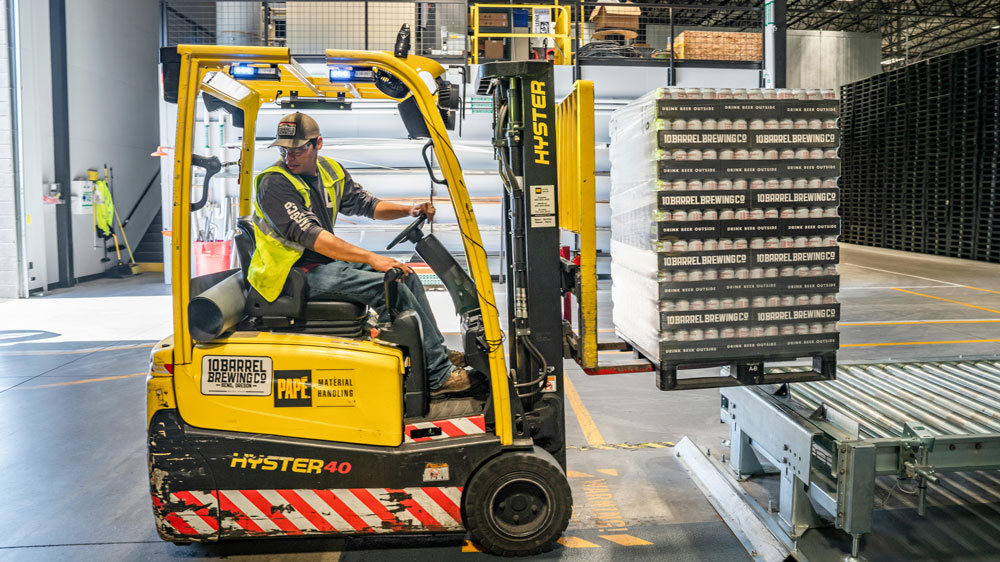
What are the Core Definitions and Structural Differences of Skids and Pallets?
To truly understand pallets and skids, we must first start with their structure. It's these seemingly minor structural differences that determine their respective functions, advantages, and applicable scenarios.
What is a Pallet?
Definition: A pallet is a horizontal platform with a top deck and a bottom deck (or base), typically made of wood, plastic, or metal, used for stacking, storing, and moving goods.
Core Feature: The most prominent feature of a pallet is its double-deck structure. This means it has not only a top surface to carry goods but also a complete bottom deck underneath. This design provides excellent support and stability, allowing goods to be safely stacked on the pallet and making it easy for forklifts to access and move from multiple directions.
What is a Skid?
Definition: A skid is a platform with only a top deck, supported by several parallel runners or legs at the bottom. It does not have a bottom deck.
Core Feature: The most essential characteristic of a skid is its single-deck structure. Its bottom is open, with only a few parallel wooden strips or legs directly touching the ground. This design allows skids to nest into each other when not in use (if the design permits), thus saving storage space. Since it lacks a bottom deck, a skid might be less stable than a pallet in some situations, but it also has its unique advantages.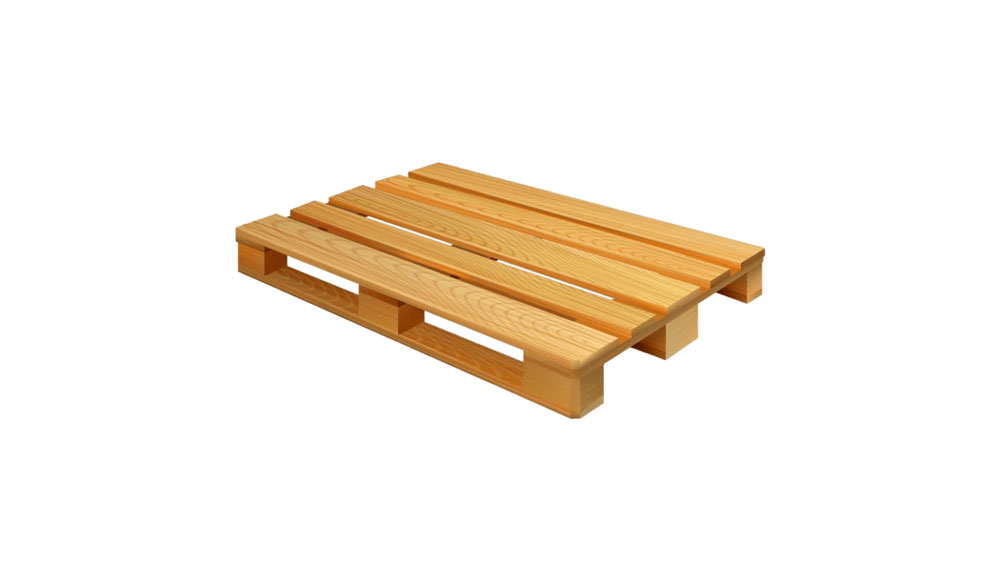
Direct Comparison: The Most Critical Difference – "Presence or Absence of a Bottom Deck"
Now, let's put them side-by-side, and you'll find the most fundamental and easily identifiable difference between them:
- Pallet: Has a bottom deck.
- Skid: Has no bottom deck.
This simple distinction is the golden rule for telling them apart. Remember this, and you'll be able to identify them at a glance anytime, laying a solid foundation for the subsequent in-depth discussion.
What are the Uses and Functions of Skids and Pallets, Respectively?
Pallets: The Foundation of Modern Logistics
Pallets are undoubtedly an indispensable "standardized carrier" in the modern logistics system. Their primary design purpose is to maximize efficiency in material handling and storage.
Main Uses:
- Standardized Cargo Unit Transport: Pallets enable loose goods to be consolidated into uniform units, greatly simplifying loading, unloading, and transportation processes.
- High-Density Stacked Storage: Thanks to the excellent stability provided by their double-deck structure, pallets can easily be stacked in multiple layers, maximizing vertical space utilization, especially in warehouses.
- Automated Warehousing Systems: The standardized dimensions and robust structure of pallets make them ideal partners for high-tech warehousing solutions such as automated storage and retrieval systems (AS/RS) and shuttle systems.
Advantages:
- High Stability: The double-deck structure of pallets provides solid support for goods, maintaining stability even when stacked in multiple layers, effectively preventing goods from tipping or being damaged.
- Easy Mechanized Operation: Pallets are designed for mechanized handling. They are perfectly compatible with almost all material handling equipment, including forklifts, pallet jacks, stackers, and automated conveyor belts, significantly improving loading, unloading, and transfer efficiency.
- Strong Versatility: From raw materials and semi-finished products in manufacturing to consumer goods in retail, cold chain transportation in the food industry, and pharmaceuticals in the medical sector, pallets are ubiquitous across various industries, serving as a universal language in the global supply chain.
Connection to Warehouse Racking Systems:
The type of pallet directly influences the selection and design of warehouse racking. For example:
- Beam Load Capacity: The size of the pallet and its access method (e.g., two-way or four-way entry) will determine the length and load capacity requirements of the racking beams.
- Shelf Spacing: The height of goods stacked on a pallet plus the height of the pallet itself determines the appropriate spacing between each level of racking.
- Aisle Width: The turning radius required for forklift operation with pallets directly affects the design of warehouse aisle widths, which in turn impacts warehouse space utilization and equipment investment.
Skids: The Ideal Choice for Specific Needs
Compared to the standardization and versatility of pallets, skids are more like "specialist doctors," demonstrating irreplaceable value in certain specific and unique scenarios.
Main Uses:
- Fixed Base for Heavy Machinery: Many large pieces of equipment or machinery are directly affixed to skids when they leave the factory, with the skid acting as their basic support during transportation and installation.
- Short-Term Storage and Movement of Non-Standard or Oversized Goods: For irregularly shaped or extra-long goods, customized skids can provide flexible support, facilitating short-distance movement and temporary storage within specific areas.
- Scenarios Requiring Ground Dragging: In environments without forklifts or where forklift use is inconvenient, such as simple construction sites, skids can be moved by dragging.
Advantages:
- Easy to Drag: Since there's no bottom deck, the contact area between the skid and the ground is relatively small (only a few runners), reducing friction. This makes it easier to move on certain rough or uneven surfaces (like construction sites, sandy ground, or when manual dragging is required).
- Space Efficiency: Empty skids can often be nested into each other for storage, significantly saving storage space, which is especially beneficial for scenarios requiring a large number of skids but with limited storage space.
- Lower Cost: Compared to the more complex structure of pallets, skids typically have lower manufacturing costs due to less material usage and a simpler structure.
- As a Permanent Base: As mentioned, many large or heavy pieces of equipment are installed directly on skids when they leave the factory. These skids will accompany the equipment for long-term use, serving as their stable and mobile base.
Historical Review:
It's worth noting that before the widespread adoption of pallets, skids played a role similar to "primitive pallets." Especially during World War II, to quickly and effectively load and unload large quantities of materials, skids were widely used for simple material handling, laying the groundwork for the later standardization and mechanization of pallets. In a sense, skids are the "older brother" of pallets, witnessing the development of material handling technology.
In-Depth Comparison: Pallet vs. Skid
Structure and Compatibility
- Pallet: With its bottom deck and standardized dimensions, a pallet is the perfect partner for modern warehouse racking systems. It seamlessly integrates into various types of racking systems, such as selective racking, high-bay racking, drive-in racking, shuttle racking, and even automated storage and retrieval systems (AS/RS). This high compatibility is why pallets are indispensable in efficient warehousing; they greatly promote warehouse automation and intelligent integration.
- Skid: Due to its lack of a bottom deck and generally non-standardized dimensions, a skid is less commonly used directly in standard racking systems. If racking is required, custom support structures might be necessary, or more commonly, it's used as a floor-level base for heavy or oddly shaped goods. Its primary handling method is direct ground dragging or insertion by a forklift from below.
Load Capacity and Stability
- Pallet: The double-deck structure of a pallet can distribute cargo loads more evenly, meaning it can usually bear heavier, more concentrated, or even irregularly shaped goods. The presence of a bottom deck also provides excellent stability, effectively preventing goods from tilting or collapsing when stacked in multiple layers.
- Skid: The load-bearing capacity of a skid primarily depends on the number, material, and spacing of its runners (or legs). Since the load is concentrated on a few parallel runners, if the cargo weight is too heavy or unevenly distributed, it may put significant pressure on the skid, potentially leading to damage. Therefore, for heavy goods, skids need to be made of sturdier wood (like hardwood) or metal to ensure their load-bearing capacity.
Cost and Return on Investment
- Initial Procurement Cost: Generally speaking, the initial procurement cost of a skid is lower than that of a pallet. This is because its structure is simpler, it uses less material, and the manufacturing process is relatively less complex.
- Long-Term Operating Costs: However, focusing solely on procurement costs isn't comprehensive. When considering long-term operating costs, we need to evaluate the following factors:
- Durability and Maintenance Costs: The durability of pallets and skids varies with material and usage environment. Repair costs and frequency after damage also affect overall expenses.
- Impact on Handling Equipment: The high compatibility of pallets means they can be efficiently handled by various mechanical equipment, reducing manual operations and improving efficiency, thereby indirectly lowering labor costs. Skids may require specific handling methods, which can sometimes be less efficient.
- Impact on Storage Efficiency: The high stacking capability and racking compatibility of pallets can significantly improve warehouse space utilization, thus reducing rent or increasing storage capacity, which is a hidden but significant return.
Space Efficiency and Storage Method
- Pallet: Pallets achieve high efficiency when stacking goods, but they cannot nest into each other and require fixed-size storage space when idle. However, there are specially designed stackable or collapsible pallets to address this issue, but at a corresponding higher cost.
- Skid: Empty skids can usually be nested into each other for storage, which is a huge advantage. This feature greatly saves storage space, especially for seasonal use or scenarios requiring a large number of empty carriers, as it can significantly optimize warehouse layout and space utilization.
Environmental and Sustainability
In today's increasingly sustainability-focused world, the material choice for pallets and skids has also become an important consideration:
- Wood: The most common material. Advantages include relatively low cost, ease of repair, and recyclability (if properly handled). Disadvantages include potential moisture absorption leading to mold, risk of splinters or exposed nails, and the need for fumigation treatment (ISPM 15 standard) for international shipping.
- Plastic: Advantages include durability, moisture resistance, easy cleaning, no pest issues, and recyclability (if recyclable plastic is chosen). Disadvantages include higher initial procurement cost and potential brittleness in low-temperature environments.
- Metal: Typically made of steel or aluminum. Advantages include extreme strength, high load capacity, long lifespan, and full recyclability. Disadvantages include the highest cost and heavy weight.
Material Selection: Considerations for Wood, Plastic, and Metal
When choosing a pallet or skid, the material is another crucial factor that directly affects the carrier's performance, lifespan, cost, and applicable environment. Each material has its unique advantages and disadvantages, and understanding them will help you make a decision that best fits your needs.
Wooden Pallets/Skids
Advantages:
- Cost-Effective: Wood is the most common material for pallets and skids because its procurement cost is relatively low, making wooden carriers ideal for budget-constrained or single-use scenarios.
- Easy to Repair: If damaged, wooden pallets and skids can usually be repaired locally by replacing damaged parts, extending their lifespan.
- Strong Load Capacity: Especially pallets and skids made from hardwood, when structurally designed correctly, can provide very high load capacity, meeting the needs of most heavy goods.
Disadvantages:
- Susceptible to Moisture and Pests: Wood's natural hygroscopicity makes it prone to moisture absorption, mold, and even bacterial growth in humid environments. At the same time, wood is also a breeding ground for pests, requiring fumigation treatment according to ISPM 15 standards for international shipping.
- Relatively Shorter Lifespan: Compared to plastic and metal, wood is more prone to wear, cracking, and rot, especially under high-intensity use or harsh conditions, generally resulting in a shorter lifespan.
- Difficult to Clean: Wood surfaces are porous and absorb stains, making them difficult to clean thoroughly. This is a challenge for industries with high hygiene requirements (e.g., food, pharmaceuticals). Furthermore, there's a risk of splinters and exposed nails, posing a threat to cargo and operator safety.
Plastic Pallets/Skids
Advantages:
- Lightweight and Hygienic: Plastic material is lighter, making handling easier and less laborious. Its smooth, non-absorbent surface is very easy to clean and sanitize, making it the preferred choice for industries with strict hygiene requirements (e.g., food, pharmaceuticals).
- Moisture and Pest Resistant: Plastic itself does not absorb moisture, nor does it mold or harbor pests, thus eliminating the need for fumigation treatment, making it highly suitable for international trade.
- Strong Durability: Plastic pallets and skids typically have a long lifespan, are impact and corrosion resistant, and can withstand repeated use.
- Recyclable: Most industrial plastic pallets and skids are made from recyclable materials or can be recycled at the end of their useful life, aligning with environmental principles.
Disadvantages:
- Higher Cost: Compared to wooden carriers, the initial procurement cost of plastic pallets and skids is usually higher.
- Can Become Brittle at Low Temperatures: Some types of plastic may become brittle at extremely low temperatures, making them prone to cracking or breaking. This requires special attention in cold chain logistics.
- Relatively Low Friction: Plastic surfaces are relatively smooth, and in some cases, stacked goods or forklift operations may pose a risk of slipping, requiring additional anti-slip designs.
Metal Pallets/Skids
Advantages:
- Ultra-High Load Capacity: Metal (such as steel) possesses excellent structural strength and can bear extremely heavy loads, making it an ideal choice for moving super-heavy equipment or special materials.
- Extremely Durable: Metal pallets and skids have a very long lifespan, are virtually unaffected by environmental humidity and pests, and can withstand harsh usage conditions.
- Fireproof: Metal itself is non-combustible, making it suitable for environments requiring fire safety measures.
Disadvantages:
- Heavy Weight: Metal materials are inherently heavier, which can increase handling difficulty and transportation costs.
- High Cost: Metal pallets and skids are the most expensive of the three materials, primarily used for special applications with extremely high demands for load capacity, durability, or safety.
- May Rust: If not properly surface-treated or used for extended periods in humid environments, metal pallets and skids risk rusting, affecting their appearance and lifespan.
Composite Materials and Other Emerging Materials
In addition to traditional wood, plastic, and metal, the market has also seen the emergence of pallets/skids made from composite or new materials. These materials often combine the advantages of different materials, for example:
- Molded Wood Pallets: Made from wood chips and resin pressed under high temperature and pressure, they don't require fumigation, are less susceptible to moisture and pests, and can be nested, combining some advantages of both wood and plastic.
- Paper Pallets: Lightweight, environmentally friendly, and recyclable, but with limited load capacity and not moisture-resistant, primarily used for light goods and one-way transportation.
These emerging materials offer more possibilities for pallet and skid selection. Businesses can explore and choose based on their specific needs, such as lightweighting, environmental requirements, or adaptability to special environments.
How to Choose Between a Skid and a Pallet?
Now that we've covered all aspects of pallets and skids, the most crucial question arises: Which one should your business choose? There's no one-size-fits-all answer; the best choice depends on your specific needs. Below is a decision-making process and key factors to consider, helping you find the most suitable solution:
Decision Process/Key Considerations:
- Cargo Type and Weight:
- Weight: Are your goods lightweight (e.g., cartons, clothing) or heavy (e.g., machinery parts, building materials)? Lightweight goods may not require high load capacity, while heavy goods absolutely necessitate considering the carrier's structural strength.
- Shape: Are your goods regular boxes or irregular, oddly shaped items? Do fragile items need more uniform bottom support?
- Fragility: If goods are fragile, a pallet's double deck can provide more stable support, reducing bumps and the risk of damage.
- Handling Equipment:
- What handling equipment do you primarily use in your warehouse or production line? Are they traditional forklifts, pallet jacks, or are you equipped with automated conveyor systems, stackers, or shuttle cars?
- Pallets are almost perfectly compatible with all standardized mechanical handling equipment and are the preferred choice for automated systems.
- While skids can also be moved by forklifts, they are less commonly used in automated systems and are more often used for ground dragging or as a bottom support for specific heavy equipment.
- Storage Environment:
- Is your storage environment dry or humid? Is it room temperature or low temperature (cold storage)?
- Wooden carriers are prone to moisture absorption and mold in humid environments; plastic carriers are moisture-proof and easy to clean but can become brittle at extremely low temperatures; metal carriers are less sensitive to environmental changes but risk rusting.
- If high cleanliness is required (e.g., food, pharmaceutical industries), plastic pallets/skids are a more hygienic choice.
- Turnover Frequency:
- Do goods require high-frequency, rapid turnover, or are they stored for long periods with occasional movement?
- Pallets, due to their high compatibility with mechanized equipment, are better suited for high-turnover scenarios, significantly improving efficiency.
- Skids may be more suitable as a base for long-term storage of heavy equipment or for short-distance, low-frequency movements.
- Transportation Method:
- Will goods be transported by land, sea, or air? Different transportation methods have varying restrictions and requirements for carrier size, weight, and material.
- International shipping requires special attention to fumigation regulations for wooden pallets (ISPM 15); otherwise, goods may be detained.
- Air freight is particularly sensitive to weight, so lightweight plastic or paper pallets may offer an advantage.
- Cost Budget:
- What is your initial procurement budget? Can you accept a higher upfront investment in exchange for a longer lifespan and higher efficiency?
- Beyond procurement costs, also consider long-term operating costs, including maintenance, replacement, impact on handling efficiency, and potential cargo damage risks. Sometimes, carriers with seemingly higher initial costs prove more economical in the long run.
- Sustainability Goals:
- Does your company have clear environmental or sustainability goals?
- Prioritizing recyclable, recycled content, or longer-lifespan carriers can help businesses achieve green supply chain management.
Conclusion
At this point, we've thoroughly analyzed pallets and skids, these seemingly similar yet vastly different material handling carriers. From their core definitions, structural differences, to their unique uses, material choices, and finally, the decision-making considerations, we hope to have helped you completely clarify the distinction between the two.
As professional warehouse racking experts, we deeply understand that racking does not exist in isolation. It works in close collaboration with pallets, skids, and various handling equipment, forming the backbone of modern warehousing systems. Therefore, we are not just providers of racking; we are committed to offering comprehensive warehousing solutions to our clients, which naturally includes professional advice on material handling equipment selection.
We believe that only by fully understanding your cargo characteristics, handling processes, storage environment, and future development plans can we customize the most suitable racking system for you and recommend the most compatible pallet or skid solution.
Now, it's your turn!
If you're confused about how to choose the right pallet/skid for your business or need to design an efficient warehouse racking system, don't hesitate. Contact us immediately and tell us your specific needs. Our professional team will be happy to provide customized warehousing solution consultations, helping you match the most suitable pallet/skid and a perfectly compatible racking system, and together, embark on a new chapter of efficient warehousing!