Where to Get a Free Pallet: 7 Best Places and a Professional Safety Guide
If you are hunting for materials for a DIY project or aiming to slash costs for a small-scale storage setup, wooden pallets are arguably one of the most sought-after resources today. I have heard from many enthusiasts who have successfully built everything from garden planters and sofas to entire backyard sheds using free pallets, saving hundreds or even thousands of dollars in the process. It sounds like a fantastic deal, doesn't it?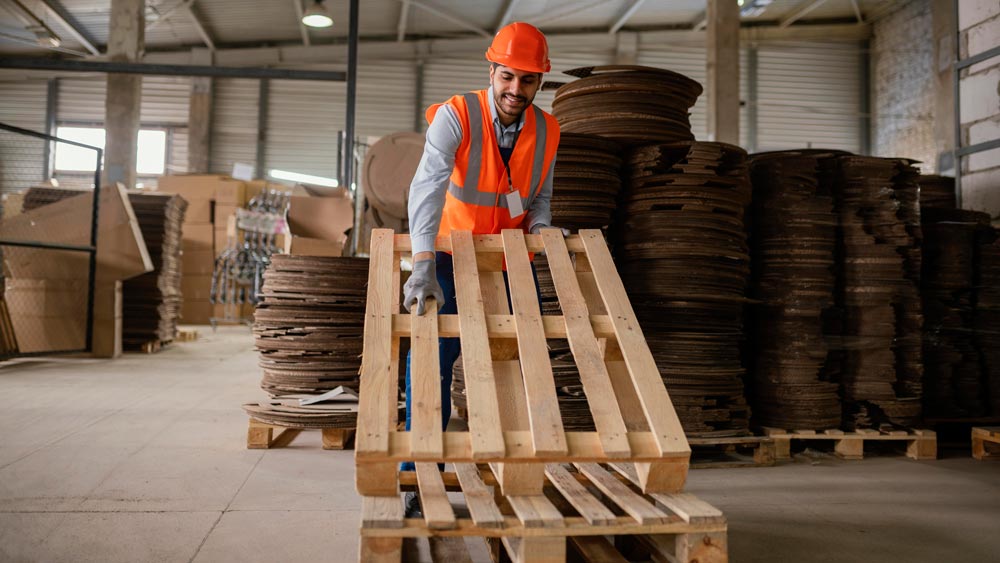
However, as a professional manufacturer specializing in warehouse racking, I must give you a reality check: while free pallets are excellent helpers, they are not a universal fix. This is especially true when integrating them into a warehouse environment, where even a minor structural flaw can lead to rack collapses, damaged inventory, or serious workplace injuries.
Don't worry—this article serves as your comprehensive handbook. I will guide you through every stage, from identifying the best pickup spots to ensuring professional-grade safety. By the end of this read, you will be ready to take action while avoiding the common pitfalls that trap 99% of people.
Let’s dive into the most practical places to source your pallets.
Where to Find Free Pallets: Top Locations for Success
Drawing from years of experience in the logistics industry, I have narrowed down the seven most reliable locations for scoring high-quality pallets. These represent the core of the "Top 12" spots where you are most likely to succeed. While other options exist, their success rates and safety standards often fall short. Before you head out, remember to pack gloves, safety goggles, and tie-down straps—and always ask for permission before loading up!
1. Small Local Businesses
Establishments like hardware stores, pet shops, furniture outlets, and local coffee roasters are often much better leads than retail giants like Walmart. The reason is simple: they receive smaller frequent shipments and accumulate pallets quickly but lack dedicated recycling contracts. Simply walk in, offer a friendly smile, and explain that you are looking for pallets for a DIY project. More often than not, they will be happy to let you take them off their hands.
Pro Tips:
- Visit during mid-week mornings right after they have finished restocking.
- Carrying a business card or a quick sketch of your project can help build trust with the owner.
- Start small by taking just a few; building a rapport might lead to them setting aside the best ones for you in the future.
2. Industrial Parks
Try driving through a local industrial zone after 6:00 PM. You will frequently spot stacks of pallets near the roadside, sometimes even marked with a "Free" sign. Once the workday ends, facilities are often eager to clear out their loading docks, leaving surplus pallets for anyone willing to haul them away.
Pro Tips:
- Stick to well-lit areas for both safety and better visibility of the wood quality.
- Using a pickup truck or a small trailer allows you to move a significant batch in a single trip.
- Don't just trust a sign; do a quick visual inspection for structural integrity before loading.
3. Active Construction Sites
Sites for new residential builds or commercial renovations are absolute goldmines. Pallets used for transporting bricks, tiles, and heavy landscaping materials often pile up quickly. If you drop by around 10:00 AM or 4:00 PM and have a quick chat with the site foreman, they will usually tell you to take whatever you need just to get them out of the way.
Pro Tips:
- Wearing a hard hat makes you look professional and safety-conscious.
- Prioritize pallets that are clean and free of heavy mud or concrete splatter.
- While weekends are quieter, you will find more opportunities during active workdays.
4. Digital Marketplaces (Facebook and Craigslist)
A quick mobile search for "free pallets" followed by your city name can yield immediate results. You will find people who are relocating or cleaning out warehouses and are willing to give pallets away for free—sometimes even assisting you with the loading process.
Pro Tips:
- Check these listings twice a day and enable notifications for new posts.
- Be clear about your intended use in your messages to build credibility.
- Always prioritize personal safety by meeting in public or well-trafficked areas.
5. Printing Houses and Newspaper Publishers
These facilities often yield the sturdiest and most heavy-duty pallets because they must support the immense weight of bulk paper. Stop by the loading docks in the afternoon; managers are typically straightforward and happy to see the clutter removed.
Pro Tips:
- Ask about their regular schedule for clearing out inventory.
- These specific pallets are ideal for heavy-duty shelving or rugged outdoor builds.
- The quality is often significantly higher than standard retail pallets, making the trip well worth the effort.
6. Garden Centers and Specialty Pet Stores
From heavy bags of soil and mulch to bulk pet food, these businesses rely heavily on palletized shipments. Late Sunday afternoons, as they prepare for the upcoming week, are often the best times to find surplus.
Pro Tips:
- Bringing a small gesture of appreciation, like a coffee, can go a long way in securing a long-term source.
- Pallets from these locations are generally cleaner, making them better suited for indoor furniture projects.
- Inquire about their delivery schedule so you can plan your next visit accordingly.
7. Large Distribution Centers
While major corporations usually have closed-loop recycling systems, pallets that are slightly damaged but still functional are often set aside near side exits. A polite inquiry to the security staff or a forklift operator can often result in a green light to take them.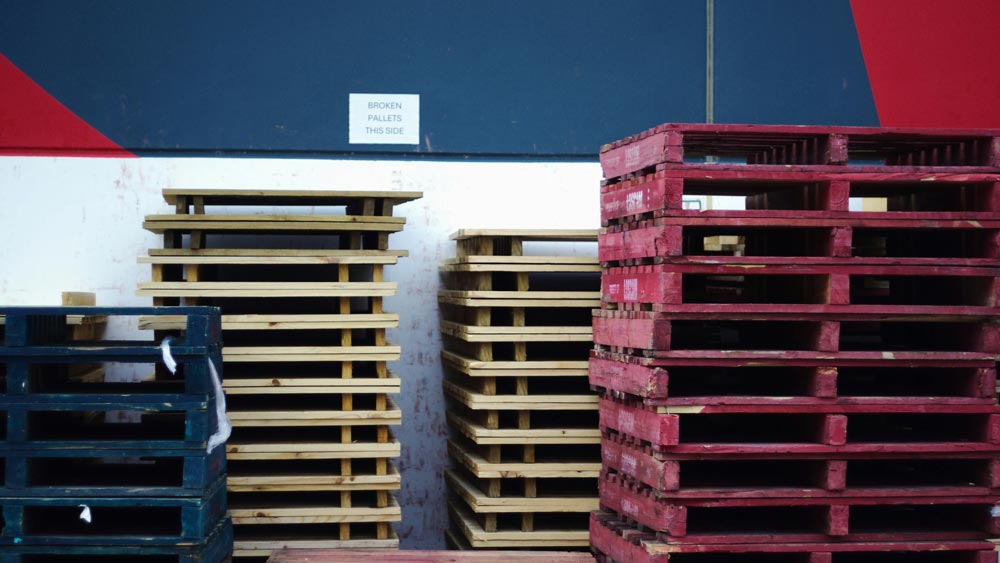
Pro Tips:
- Avoid peak hours; early mornings or late evenings are usually better.
- Be selective: only take pallets that are structurally sound and avoid those with major fractures.
- These are great for dismantling into raw lumber but may not be suitable for immediate rack use.
Legal and Etiquette Tips: What to Know Before You Collect
Before you start loading your vehicle, taking 30 seconds to confirm a few details can save you from unnecessary trouble.
Always Seek Permission
Even if pallets appear abandoned or are sitting by the curb, always check with a staff member or leave a note. This isn't just basic courtesy; it's a legal safeguard. Being polite significantly increases your chances of success and helps you establish a reliable, long-term source for free materials.
Steer Clear of Branded "Rental Pallets"
If you see pallets painted in bright colors—specifically blue (CHEP), red (PECO), or brown—leave them exactly where they are. These are the legal property of pallet leasing companies. Taking them is considered theft and can lead to fines or legal issues. Stick to plain, unpainted wood to stay on the right side of the law.
The Professional Safety Guide: How to Spot a Safe Pallet
As a racking manufacturer, I deal with thousands of pallets daily. This section contains the most critical professional knowledge I can share: only a safe pallet can truly protect your goods and your home.
Deciphering IPPC Stamps
Look for the stamp on the side of the pallet. Understanding these markings takes seconds but eliminates 90% of the risk:
The rule of thumb is simple: HT is your go-to, while MB should be avoided at all costs.
Identifying Chemical Contamination
Use both your eyes and nose to perform a quick inspection:
- Are there visible oil stains, strange odors, or white crystalline residues?
- Is the wood discolored, blackened, or showing signs of mold?
These are red flags for chemical spills or bacterial growth. It is far better to spend an extra five minutes searching than to bring hazardous materials into your space.
Advanced Insights: Pallet Dimensions and Racking Compatibility
The Importance of Standard Sizing
The vast majority of professional racking systems are engineered specifically for standard 48" x 40" (approx. 120cm x 100cm) pallets. Using non-standard sizes increases the risk of pallets slipping, getting wedged, or causing a structural failure of the rack. Sticking to standard dimensions ensures maximum stability and load-bearing performance.
Load Capacity and Structural Integrity
No matter how good a free pallet looks, it must be vetted:
- Check for cracks in the stringers or loose nails.
- Before placing heavy items on a pallet, conduct a 24-hour test with a lighter load.
Remember: "Free" should never mean compromising on safety.
How to Prepare Your Pallets for Use
Once you've brought your pallets home, don't rush into using them. Investing 15 to 30 minutes in proper preparation ensures peace of mind later on. I've included a specific cleaning step that many people overlook, which prevents mold and lingering stains from becoming a problem.
Recommended Tools
- Reciprocating saw: For the fastest way to disassemble boards.
- Pry bar: To remove stubborn nails with ease.
- Hammer: For final nail management and assembly.
Sanding and De-nailing
The process is straightforward:
- Remove all old or rusted nails completely.
- Sand the wood, starting with a coarse grit and moving to a finer finish to remove splinters.
- Always wear eye protection and a dust mask to stay safe during this stage.
The 3-Step Cleaning Method
A thorough clean is what truly transforms a salvaged pallet into a high-quality material.
- Dry Brushing: Use a stiff-bristled or wire brush to remove dust, dirt, and cobwebs. This is best done outdoors.
- Mild Washing: For light stains, use a diluted solution of eco-friendly dish soap and warm water. Avoid harsh bleach or strong chemicals as they can degrade the wood fibers. Rinse thoroughly with clean water.
- Complete Drying: Allow the wood to air dry in a well-ventilated area for at least 24 to 48 hours. The wood must feel completely dry to the touch before use; damp wood is a breeding ground for mold, which can cause significant issues in a warehouse.
Pro Tip: If the pallet is intended for indoor use or contact with food, apply a coat of food-grade wood wax or oil. This 20-minute task ensures your pallet is both durable and safe.
Conclusion
You are now equipped with the most practical strategies for sourcing pallets, navigating legalities, performing safety checks, and mastering the cleaning process. Free pallets are a fantastic way to jumpstart your projects while saving money.
However, for professional warehouse operations, high-standard racking systems and certified pallets are the only sustainable path forward. While free pallets are great for DIY and temporary storage, our mission as a racking manufacturer is to help businesses build safe, high-efficiency storage solutions that meet rigorous weight-bearing standards.
Looking to make your warehouse more stable, cost-effective, and safe? Feel free to reach out to us to discuss your specific requirements. Whether you need standard racking or a bespoke solution, we are here to help.
Are you ready? Head out today and track down your first free pallet. If you have any questions, leave a comment below and I will get back to you personally. Good luck with your DIY journey and keep your storage safe.